

Table of Contents
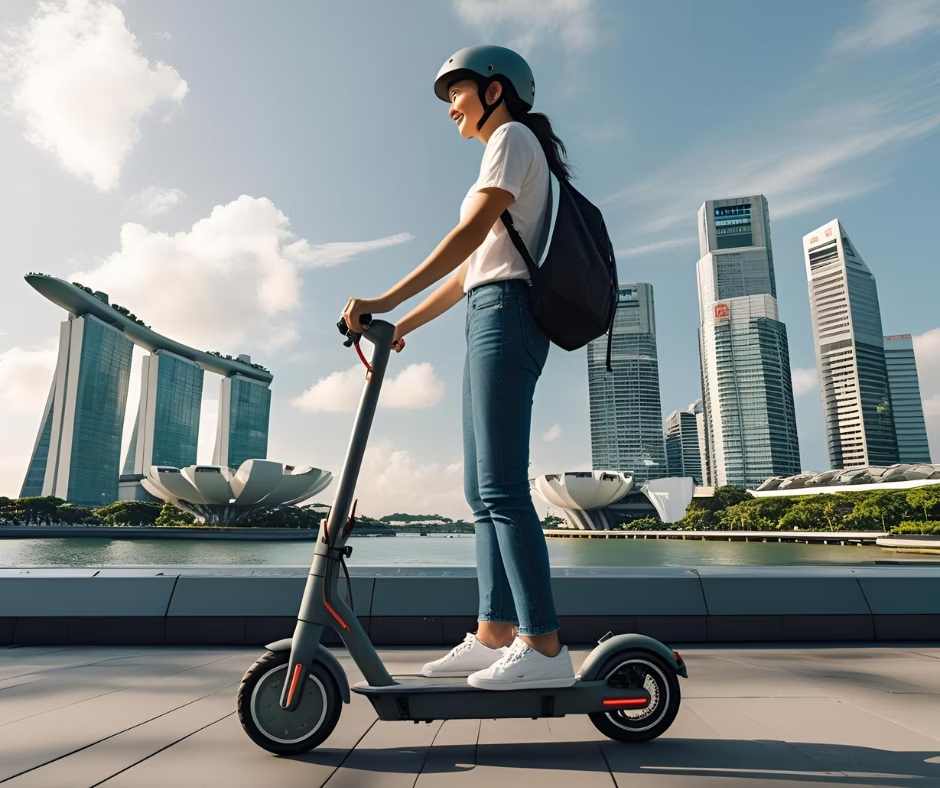
The escooter lifestyle has rapidly become a defining feature of modern urban mobility, particularly in bustling cities like Singapore. What started as a niche movement among tech-savvy early adopters has grown into a vibrant, city-wide community that is revolutionizing the way people move through dense metropolitan environments. The electric scooter, or escooter, is no longer just a convenient gadget—it’s a social symbol, an environmental solution, and a practical tool that’s shifting the face of transportation in Singapore.
The Rise of the Escooter Lifestyle in Singapore
The escooter lifestyle in Singapore is more than a trend—it’s a shift in urban culture. As the city continues to grow in population and infrastructure density, residents are turning to electric scooters for convenience, flexibility, and freedom. Unlike traditional commuting options that are often bogged down by traffic congestion or strict schedules, escooters offer a fluid, on-demand mode of transport that fits seamlessly into busy lives.
One of the key reasons behind the popularity of the escooter lifestyle is its appeal across different age groups. From young professionals looking for a quick ride to the MRT station, to retirees seeking a fun and easy way to get around their neighbourhood, electric scooters are serving a wide demographic. It has become common to see people of all ages gliding through Singapore’s city parks, HDB paths, and dedicated cycling tracks.
Redefining the Last-Mile Commute
One of the most transformative effects of the escooter lifestyle is how it addresses the last-mile commute—a perennial challenge in urban planning. In Singapore, where public transport is highly developed but sometimes not quite door-to-door, escooters bridge the gap perfectly. Riders can scoot from their home to the MRT, then from the MRT to their office, reducing the need for buses or private car hire.
This last-mile solution is vital in areas like Punggol, Yishun, or Changi, where MRT stations may be distant from housing estates or business parks. Through the escooter lifestyle, commuters are empowered to take control of their journey, ensuring speed and efficiency even in less centrally located areas. Many commuters are now planning their daily routes with escooters in mind, optimizing time while avoiding the peak hour squeeze on trains.
Promoting Eco-Friendly Living in Urban Spaces
The escooter lifestyle promotes sustainability, which is central to Singapore’s vision of a greener future. With the government’s push toward reducing carbon emissions and increasing clean energy use, escooters present a viable and eco-friendly transport option. They run on rechargeable batteries, generate zero emissions, and consume a fraction of the energy compared to cars or motorbikes.
Beyond just reducing emissions, the escooter lifestyle also encourages the public to rethink their dependency on fossil fuels. For instance, many young adults are choosing escooters instead of applying for a car license or using taxis. With Singapore’s increasing commitment to sustainability, this shift aligns perfectly with national goals such as the Singapore Green Plan 2030.
Community Building and Social Connection
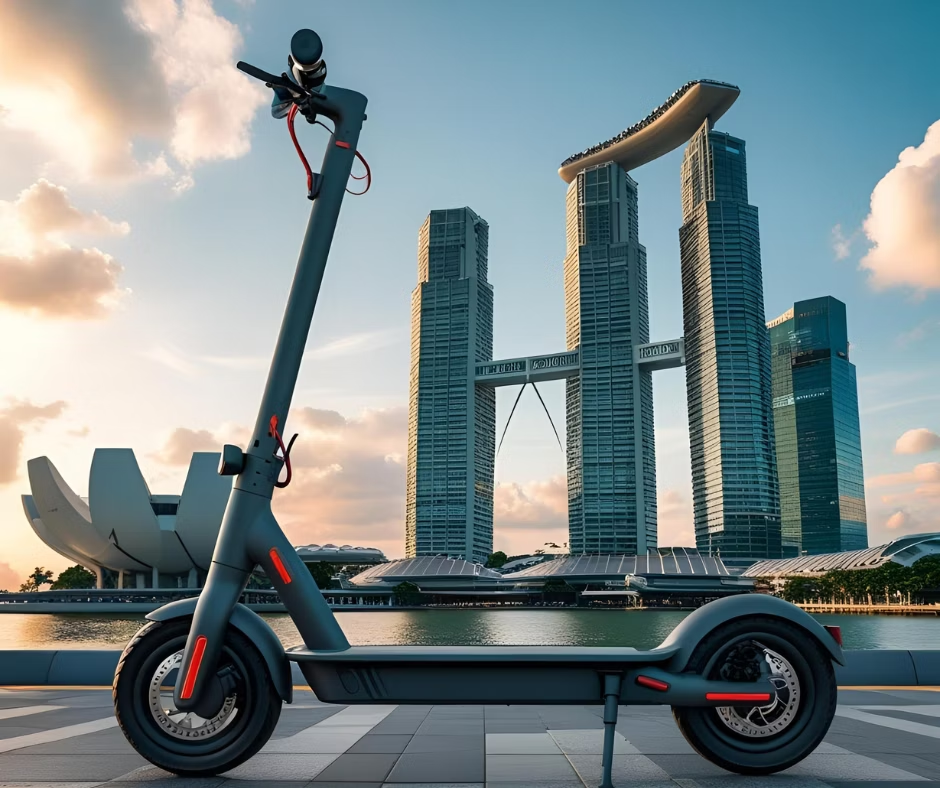
Another way the escooter lifestyle is reshaping urban life is through the growth of community. There are now numerous online forums, social media groups, and weekend meetups dedicated to electric scooter users in Singapore. These communities share tips, routes, safety advice, and even organize group rides around scenic parts of the island.
For example, events like the East Coast Escooter Weekend Ride bring together dozens of riders who traverse the coastline, visiting pitstops like Marine Cove, Bedok Jetty, and Gardens by the Bay. Such events showcase the community-driven nature of the escooter lifestyle, making it not just a personal transport choice, but a shared experience among like-minded individuals.
Support from Local Infrastructure
The success of the escooter lifestyle in Singapore is also due to robust infrastructure and policy support. In recent years, the government has introduced more park connectors, upgraded cycling paths, and established shared spaces to accommodate personal mobility devices (PMDs). These developments ensure that escooter users can move safely and efficiently through urban spaces without interfering with pedestrian zones.
Additionally, the Active Mobility Act provides clear regulations for escooter use, ensuring harmony between pedestrians, cyclists, and PMD riders. Such policies are essential in legitimizing and supporting the escooter lifestyle, offering riders both safety and peace of mind.
Changing the Face of Daily Errands
The escooter lifestyle isn’t just transforming how people commute—it’s also reshaping how they run errands. More people are now using electric scooters to go grocery shopping, attend fitness classes, or even bring their kids to enrichment lessons. With escooter baskets, mounts, and cargo trailers available in the market, it’s easier than ever to carry essentials while scooting.
For example, parents in areas like Bukit Batok or Tampines often use their escooters to ferry their children to tuition centres, avoiding the stress of bus transfers or costly Grab rides. This flexibility and independence are hallmarks of the escooter lifestyle, proving that it’s just as practical as it is trendy.
Innovation and Technological Advancements
The growth of the escooter lifestyle is also closely linked to advancements in escooter technology. Today’s scooters are more powerful, safer, and longer-lasting than ever before. Features like regenerative braking, cruise control, GPS tracking, and app connectivity have made the riding experience smoother and more interactive.
Brands popular in Singapore, such as Segway-Ninebot and INOKIM, offer models tailored for both casual users and serious riders. These advancements have made it easier for more people to embrace the escooter lifestyle, as modern scooters now meet the expectations of tech-savvy users who value efficiency, safety, and performance.
Encouraging Entrepreneurship and Gig Work
The escooter lifestyle has also opened new economic avenues, especially in the gig economy. Delivery riders from platforms like GrabFood, Deliveroo, and Foodpanda often rely on escooters to fulfill orders efficiently. Given Singapore’s compact geography, an escooter can often outpace a motorbike in navigating busy town centers or sidestreets.
This means more individuals are empowered to earn a living without the cost of maintaining a car or motorcycle. The escooter lifestyle allows gig workers to take control of their work schedules while minimizing expenses. It is both economically liberating and environmentally friendly.
A Lifestyle Choice, Not Just Transport
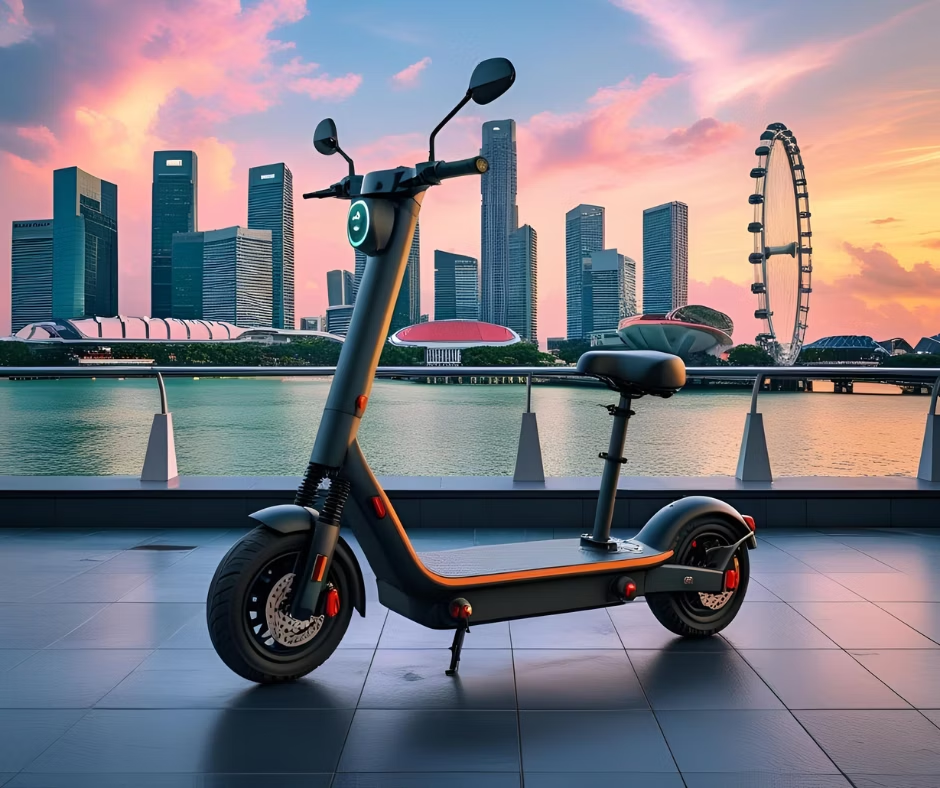
More than anything, the escooter lifestyle represents a shift in mindset. It’s about embracing mobility as a personal expression—whether that means customizing your scooter with decals, integrating smart features, or simply enjoying a peaceful ride by the bay. This lifestyle choice reflects a growing desire for independence, flexibility, and sustainability among urban dwellers.
Riders often describe how the escooter lifestyle gives them time to clear their heads, enjoy the outdoors, or simply break away from the monotony of public transport. It’s not uncommon to find escooter users taking detours to explore heritage trails, local food spots, or urban gardens. The escooter, in many ways, becomes a companion for discovery and exploration.
Educational Outreach and Youth Engagement
As the escooter lifestyle gains popularity, education and safety awareness are crucial. Many community groups and schools are now working together to teach young riders about safe riding practices, helmet usage, and traffic rules. Some schools even offer escooter handling courses as part of their co-curricular programs.
Such efforts ensure that the escooter lifestyle grows responsibly and sustainably. By instilling the right values early on, Singapore is cultivating a new generation of conscious, respectful, and knowledgeable riders who will shape the future of urban mobility.
Influencing Urban Design and Planning
Urban planners in Singapore are beginning to rethink city layouts in response to the escooter lifestyle. Future developments now consider the inclusion of scooter docks, wide shared paths, and battery charging stations. Malls and commercial buildings are also adapting by creating designated scooter parking areas and no-riding zones to maintain order.
This symbiotic relationship between urban design and the escooter lifestyle means that as more people adopt personal mobility devices, the city evolves with them. A prime example is Punggol Digital District, which incorporates smart mobility infrastructure in its masterplan to support escooter use and other micromobility trends.
The Future of Escooter Lifestyle in Singapore
Looking ahead, the escooter lifestyle in Singapore is only set to grow. With continued advancements in battery life, safety tech, and government support, electric scooters will likely play an even bigger role in daily commuting. Autonomous escooters, solar charging stations, and rental programs may soon become commonplace, making the escooter lifestyle even more accessible to everyone.
Moreover, as climate concerns and urban congestion remain pressing issues, Singaporeans are expected to increasingly turn to sustainable transport options like escooters. Businesses, educational institutions, and even healthcare providers may soon integrate escooter use into their operations, further embedding this lifestyle into everyday life.
Conclusion
The escooter lifestyle in Singapore is more than just a practical solution to urban transport—it’s a cultural phenomenon that’s redefining the cityscape. With benefits ranging from eco-conscious commuting and community engagement to economic empowerment and personal freedom, the electric scooter is becoming a central figure in Singapore’s mobility future.
As infrastructure evolves and the community grows stronger, the escooter lifestyle will continue to flourish, offering a cleaner, smarter, and more connected way of life. Whether you’re zipping to work, gliding to brunch, or exploring hidden gems, embracing the escooter lifestyle means embracing the future of transport—one ride at a time.

I’m curious about how safe escooters really are! What precautions do you recommend for new riders?
Safety is vital for new escooter riders. We recommend always wearing a helmet, being aware of your surroundings, and practicing in safe areas before navigating busy streets. Additionally, consider joining community safety workshops that provide valuable tips and best practices.
I love how escooters are making it easier for everyone to get around Singapore! It’s great to see so many people using them for errands and commuting. Good for the environment too!
Escooters are truly changing our transport game in Singapore. I find it fascinating how they’re not just about getting from point A to B, but also about building community and enjoying our beautiful city.
Since escooters are becoming popular, what are some important safety tips for beginners to follow?
For beginners, it’s crucial to wear a helmet, stay aware of your surroundings, and practice riding in less crowded areas before hitting busy streets. Joining community safety workshops can also provide valuable riding tips and best practices.
This post really highlights how escooters are changing our daily lives. I can’t wait to see more support from the government for safe riding. It’s a win-win for convenience and sustainability!
It’s amazing to see how escooters are helping with daily tasks and errands! I hope more people start embracing them and we create more safe paths to ride on.