

Table of Contents
Electric scooters have become an integral part of Singapore’s urban transport scene, offering a convenient, eco-friendly, and efficient way to navigate the city’s busy streets. As the popularity of electric scooters continues to soar, the government has introduced new regulations in 2025 to ensure rider safety and public harmony. Whether you’re a seasoned rider or a beginner thinking about buying your first electric scooter, it’s essential to understand these changes. This comprehensive guide covers everything riders need to know about Singapore’s latest electric scooter regulations and how they impact daily rides.
The Rising Popularity of Electric Scooters in Singapore
Singapore’s urban landscape is rapidly evolving, with electric scooters playing a key role in last-mile connectivity. More commuters and leisure riders are adopting electric scooters to travel efficiently, avoid traffic jams, and reduce their carbon footprint. In recent years, you could spot electric scooters buzzing around popular areas like Orchard Road, Marina Bay, and East Coast Park. The government’s push for green mobility solutions has further accelerated this trend, making electric scooters a preferred mode of transport for short distances.
However, with increasing numbers comes the challenge of balancing convenience with safety. The rise in accidents involving electric scooters has raised concerns, prompting the Land Transport Authority (LTA) and other regulatory bodies to update rules in 2025.
Overview of the 2025 Electric Scooter Regulations
The 2025 electric scooter regulations introduced several significant changes that riders must be aware of:
- Mandatory Registration: Every electric scooter must be registered with the LTA before being ridden on public paths. This helps track scooters and hold owners accountable for misuse.
- Speed Limits: The maximum speed allowed on public footpaths and shared paths has been capped at 20 km/h to reduce accident risks.
- Design Standards: Electric scooters must comply with new safety and design criteria, including requirements for brakes, lighting, and reflectors.
- Rider Age and Licensing: Riders must be at least 16 years old and pass a mandatory safety course to obtain a license.
- Prohibited Zones: Certain areas like crowded pedestrian malls, MRT stations, and specific parks have been designated no-riding zones.
- Parking Rules: Electric scooters should be parked only at designated parking racks to avoid obstruction.
Let’s dive deeper into each of these regulations to understand their implications for riders.
Mandatory Registration: Why It Matters
Starting January 2025, all electric scooters in Singapore must be registered online with the LTA. This process involves providing details like the scooter’s serial number, owner information, and proof of purchase. Registration ensures that only scooters meeting safety standards are used on public paths. It also allows authorities to trace the owner if the scooter is involved in accidents or violations.
For example, if a rider parks an electric scooter irresponsibly or uses it in restricted zones, enforcement officers can identify the owner quickly through the registration system. This discourages careless behavior and promotes responsible riding.
Additionally, registered scooters will receive a unique QR code sticker that must be visibly displayed. Unregistered scooters can be confiscated or fined, emphasizing the importance of compliance.
Speed Limits: Safety First
Electric scooters can reach speeds of up to 30 km/h or more, but to safeguard pedestrians and reduce collision risks, the 2025 rules cap speeds at 20 km/h on public footpaths and shared paths. Speeding is a major cause of accidents involving electric scooters, often leading to severe injuries.
To enforce this, manufacturers are required to implement speed limiters on scooters sold in Singapore. Riders can expect their scooters to automatically limit top speed in regulated areas. Some models may even have geo-fencing technology that adjusts speed limits depending on the location.
For instance, on crowded paths like the Marina Bay promenade, scooters will be restricted to slower speeds, while on dedicated cycling paths, slightly higher speeds might be allowed, but still within regulated limits.
Updated Design Standards: Ensuring Scooter Safety
The new regulations specify enhanced safety features that electric scooters must have to be allowed on public paths. These include:
- Effective braking systems: Dual braking mechanisms are encouraged, such as disc brakes combined with electronic brakes, to provide better stopping power.
- Lighting and reflectors: Scooters must have front and rear lights, plus side reflectors to increase visibility during night rides or low-light conditions.
- Weight and dimension limits: To maintain maneuverability and prevent oversized scooters that can pose hazards, maximum weight and size limits are imposed.
- Audible alerts: Some scooters now include a bell or horn feature to warn pedestrians.
For example, popular electric scooter models like the Xiaomi Mi Electric Scooter and Segway Ninebot have already begun incorporating these safety upgrades to comply with the new standards.
These design requirements aim to reduce accidents by improving rider control and visibility, especially in crowded urban settings.
Rider Age and Licensing Requirements
In an effort to ensure that electric scooter riders possess the necessary skills and knowledge, the 2025 regulations introduce a minimum rider age of 16 years and a mandatory safety certification course.
The course, provided by accredited centers, covers important topics such as:
- Safe riding practices
- Road and path rules
- Emergency handling techniques
- Proper use of safety gear
After completing the course, riders receive a license, which must be carried when riding. This system mirrors licensing requirements for bicycles and motorbikes but is tailored to the electric scooter’s unique operational characteristics.
This regulation helps filter out inexperienced riders who might otherwise pose safety risks to themselves and others. For example, a 14-year-old riding at high speeds on crowded footpaths without knowledge of pedestrian rights is now prevented from doing so legally.
Prohibited Zones: Where You Can’t Ride
The 2025 update includes new designated no-riding zones for electric scooters, aimed at minimizing conflicts with pedestrians and ensuring safety in sensitive areas. These zones include:
- MRT station entrances and platforms
- Pedestrian malls such as Orchard Road’s main shopping stretch
- Recreational parks with heavy foot traffic
- School zones during peak hours
Riders found violating these restrictions risk fines and confiscation of their scooters.
The government has introduced clear signage in these zones to inform riders in advance. Moreover, smart city initiatives are underway to integrate digital alerts via mobile apps and scooter dashboards, reminding riders to dismount or avoid prohibited areas.
For example, if you’re riding near Raffles Place MRT, your scooter’s navigation app may alert you to dismount before entering the station vicinity.
Parking Rules: Keeping Public Spaces Clear
One of the major complaints about electric scooters has been improper parking, which often blocks pedestrian walkways, building entrances, and public transport stops. To address this, the 2025 regulations mandate that electric scooters must be parked only at designated parking racks or zones.
Cities like Paris and Tokyo have successfully implemented scooter parking zones to keep sidewalks clear, and Singapore aims to replicate these models. The government is collaborating with urban planners to install ample parking racks near MRT stations, malls, and bus stops.
Riders who park haphazardly risk fines, and repeat offenders may face scooter impoundment. This rule encourages consideration for pedestrians, especially those with mobility impairments or parents with strollers.
Understanding the Enforcement Measures
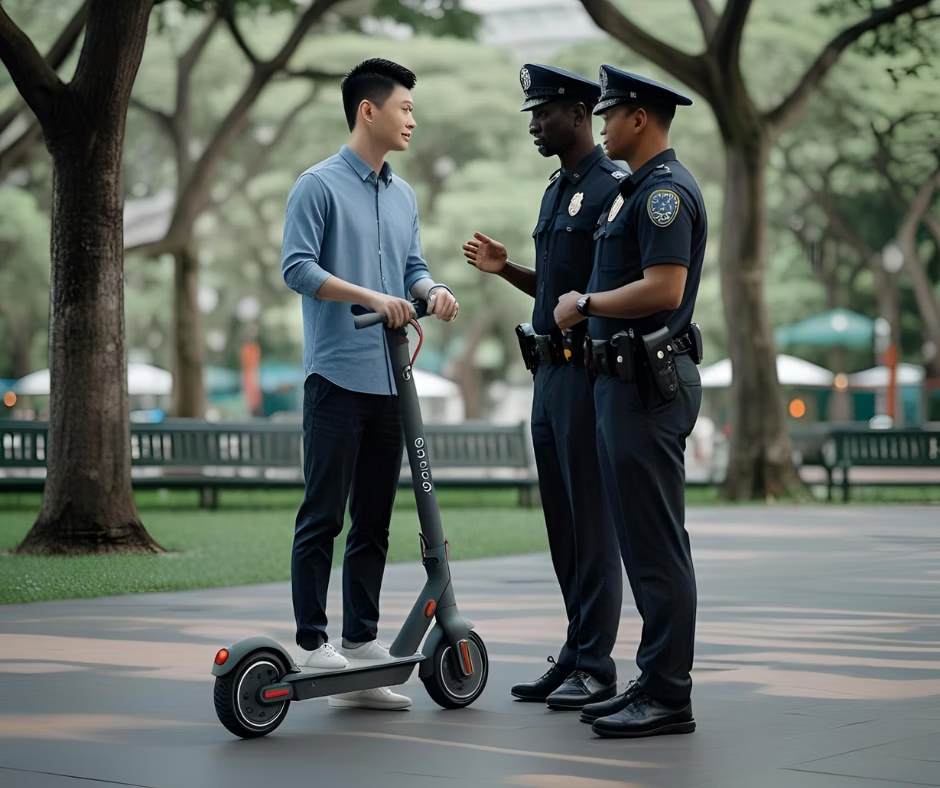
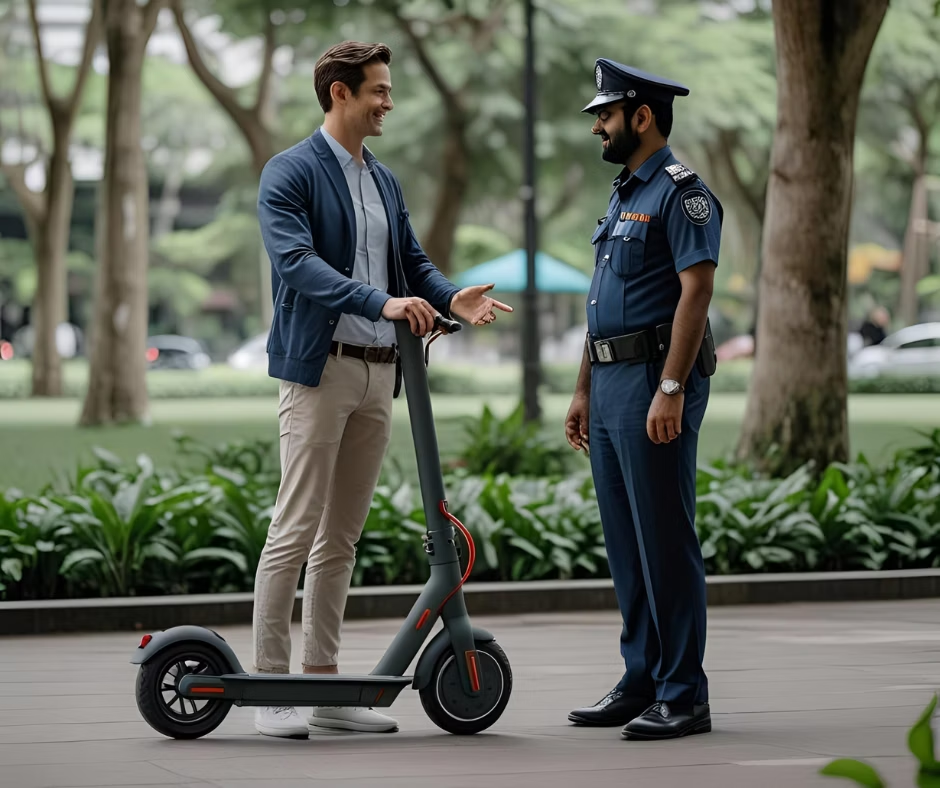
The Singapore Police Force and LTA officers are tasked with enforcing the new electric scooter regulations. They use a mix of traditional patrols and digital surveillance tools, including:
- QR code scanners to verify scooter registrations
- Speed cameras tailored for electric scooters
- Mobile apps for reporting infractions
For example, if a rider is caught speeding or riding in a no-riding zone, officers can issue fines on the spot. Repeat offenders may have their scooters confiscated.
Public education campaigns are also in place to raise awareness and encourage voluntary compliance. These include instructional videos, flyers, and community workshops.
What This Means for Electric Scooter Buyers
If you’re planning to purchase an electric scooter in 2025, it’s vital to choose models that comply with the new regulations. Key features to look for include:
- Registration-ready models with serial numbers clearly visible
- Built-in speed limiters and geo-fencing technology
- Dual braking systems
- Adequate lighting and reflectors
- Compliance with weight and size requirements
Some manufacturers have launched “Singapore-compliant” versions of popular scooters to meet these criteria.
Additionally, new scooters often come bundled with insurance options, which are highly recommended given the risks involved in urban riding.
Tips for Riding Safely Under the New Rules
To enjoy your electric scooter while staying within the law, consider these practical tips:
- Always wear a helmet and protective gear.
- Stick to the speed limits and slow down near pedestrians.
- Avoid riding in prohibited zones and obey all signage.
- Park only in designated racks.
- Carry your rider’s license and registration sticker.
- Attend the mandatory safety course to boost your confidence and skills.
- Regularly inspect your scooter’s brakes, lights, and tires.
Following these tips not only keeps you safe but also contributes to a harmonious shared space among pedestrians, cyclists, and scooter riders.
The Future of Electric Scooters in Singapore
Singapore’s 2025 electric scooter regulations mark a significant step towards integrating this mode of transport safely into the city’s mobility ecosystem. With clear rules, responsible riders, and supportive infrastructure, electric scooters have the potential to transform urban commuting further.
Looking ahead, innovations like smarter scooters with AI-based obstacle detection, integrated navigation, and improved battery technology will likely align with evolving regulations. The government may also explore expanding dedicated scooter lanes and smart parking solutions to accommodate growth.
Conclusion
Singapore’s latest escooter regulations in 2025 are designed to promote safety, responsibility, and coexistence among all road and path users. From mandatory registration and speed limits to licensing and parking rules, riders must stay informed and compliant to enjoy the benefits of electric scooter mobility.
Whether you’re a daily commuter or weekend leisure rider, understanding and adapting to these regulations will ensure your electric scooter journey remains safe, enjoyable, and hassle-free in Singapore’s dynamic urban environment.

How do we ensure that new riders understand all these regulations before they start riding? It feels tough to keep track of everything!
To help new riders, we recommend attending the mandatory safety certification course, which covers all the essential regulations and riding practices. Additionally, resources like instructional videos and workshops can be very useful for learning about the rules before hitting the streets.
The new regulations really make sense! It’s good to see safety being prioritized as more people use electric scooters. I feel better now knowing there are rules to keep everyone safe.
I think the obligation to register scooters will help in making our streets safer. If people know they’ll be accountable, they might ride more responsibly.
Are there any penalties for not registering my electric scooter before the 2025 deadline? I feel like that’s a bit harsh for new riders.
Yes, there are penalties for riding an unregistered electric scooter after the 2025 deadline. Riders found with unregistered scooters may face fines or confiscation. This regulation is crucial for accountability and ensuring safety on public paths.
I think mandatory registration is a great idea! It will make riders think twice before breaking the rules. Plus, knowing that poorly parked scooters can be fined is a win for everyone in our busy streets.
I agree, these new rules are important for everyone’s safety! It’s nice to see regulations that really make a difference, especially in crowded areas.