

Singapore’s vibrant urban landscape has become increasingly populated with e-scooters, transforming the way residents navigate the city. As we enter 2024, new regulations have been established, requiring e-scooter users to register their devices to enhance safety and ensure responsible usage. This blog post aims to guide you through the crucial steps necessary for e-scooter registration, highlight the importance of adhering to these regulations, and discuss the safety implications that come with responsible riding. Understanding these new requirements is essential for both new riders and seasoned enthusiasts to foster a safer riding environment for everyone on the streets of Singapore. In addition to outlining the registration process, we will delve into the broader context of e-safety in Singapore, examining the role that these regulations play in reducing accidents and promoting a culture of accountability among riders. By equipping you with the necessary knowledge about the registration process and the importance of complying with safety measures, we hope to empower you to become a responsible e-scooter rider. Whether you’re an advocate for sustainable transport or simply looking to add an e-scooter to your commuting arsenal, this comprehensive guide is designed to ensure you navigate the busy roads of Singapore safely and legally.
What Prompted the 2024 E-Scooter Registration Policy?
The 2024 e-scooter registration policy in Singapore arises from a significant increase in e-scooter usage that has reshaped urban mobility. With more individuals opting for e-scooters as an efficient means of transportation, alongside the challenges posed by mixed traffic on public pathways, it became imperative for the government to implement regulations. This surge not only highlighted the benefits of e-scooters in reducing congestion and promoting greener travel but also brought about pressing safety concerns. Accidents and near-misses involving e-scooters were reported more frequently, prompting calls for better oversight. Thus, the new registration policy is designed to ensure that all e-scooter riders are held accountable while fostering a culture of responsible use on public pathways. As the popularity of e-scooters continued to climb, so did the need for more structured regulations to enhance rider safety and public awareness. The policy aims to establish a formal registration process for e-scooter users, thereby providing a means to track e-scooter ownership and enforce compliance with safety standards. By mandating registration, the government not only seeks to minimize reckless riding behavior but also to create a safer environment for all road users. Ultimately, the 2024 e-scooter registration initiative is a proactive step towards ensuring a balanced coexistence of various modes of transport, enhancing safety, accountability, and community well-being.
Key Registration Requirements for E-Scooter Riders
In 2024, Singapore’s e-scooter riders will face specific registration requirements aimed at promoting safer riding practices and accountability on public pathways. To register an e-scooter, riders must first gather essential documentation, including proof of ownership, a valid identity document, and any necessary compliance declarations that confirm adherence to safety standards. Additionally, a registration fee will be required during the application process, which serves to support the maintenance of infrastructure and public education initiatives related to e-scooter safety. It’s crucial for riders to be aware of the specific deadlines for registration to avoid penalties, which could include fines or restrictions on use, ensuring that all e-scooter users are compliant by the set date. Understanding these key requirements is not just about compliance; it’s also about fostering a culture of safety among riders. The e-scooter registration policy aims to reduce accidents and promote responsible riding behavior. By providing a comprehensive registration system, Singapore hopes to create a safer environment for both riders and pedestrians. Riders are encouraged to keep up-to-date with any changes in the registration process and to engage in safe riding practices as they navigate the pathways of Singapore, contributing to a more responsible e-scooter community.
Understanding Penalties for Non-Compliance
Failing to register your e-scooter in Singapore under the new 2024 policy can lead to significant penalties. Riders who do not comply with the registration requirements may be subject to hefty fines, which can range from hundreds to thousands of dollars, depending on the severity and frequency of the violation. Moreover, persistent non-compliance could lead to legal repercussions, such as court summons or even the confiscation of the unregistered e-scooter. These penalties are designed not only to enforce the rules but also to promote a culture of responsibility among e-scooter users, ensuring you uphold community safety standards while riding on public pathways. It is essential for all e-scooter riders to take these regulations seriously, as the goal is to create a safer environment for everyone. The mandatory registration process serves as a mechanism for tracking e-scooter riders, allowing authorities to enforce safety measures more effectively. By ensuring compliance, riders not only avoid penalties but also contribute to a safer and more orderly public space. Adhering to these new rules is a step towards greater accountability and safety for all road users, making it imperative for e-scooter riders to stay informed and compliant with the 2024 regulations.
Safety Implications of the Registration Policy
The introduction of mandatory registration for e-scooters in Singapore is a significant step towards enhancing rider accountability and public safety. With the increase in e-scooter usage on shared pathways, the government aims to create a safer environment by ensuring that riders are tracked and held responsible for their actions. The registration policy requires riders to display a unique identification number on their e-scooters, which not only aids in identifying owners in the event of accidents but also discourages reckless riding behavior. This proactive approach promotes a culture of responsible e-scooter use and fosters a community where safety is prioritized, reducing the risk of accidents and injuries on public pathways. Furthermore, the policy is geared towards educating riders about safe practices while using e-scooters. Alongside the registration process, riders will likely receive guidelines on safe riding habits, proper helmet use, and awareness of pedestrian rights. The implications of these educational initiatives cannot be underestimated, as they encourage a deeper understanding of the responsibilities that come with operating an e-scooter. In this way, the registration policy not only serves as a means of enforcing regulations but also plays a crucial role in transforming rider behavior, ultimately paving the way for safer, more enjoyable experiences for both e-scooter users and pedestrians alike.
Best Practices for E-Scooter Riders Post-Registration
Once you have successfully registered your e-scooter in Singapore, it’s vital to adopt best practices that enhance your riding experience while adhering to safety regulations. First and foremost, familiarize yourself with safe riding techniques. Always wear a helmet and appropriate protective gear, and stay alert to your surroundings. As riders, it’s crucial to obey traffic signals, yield to pedestrians, and maintain a safe distance from other vehicles to prevent accidents. Additionally, being well-informed about the designated pathways and where riding is permitted will create a safer environment for everyone using the roads and sidewalks. Moreover, maintaining your e-scooter regularly can significantly impact your safety and compliance with regulations. Check your brakes, tires, and lights before every ride to ensure optimal performance, which helps prevent mechanical failures. Lastly, exhibit responsible behavior within your community. Respect local regulations and guidelines while also being considerate of pedestrians and other riders. By developing a culture of safety and accountability among riders, you contribute to a positive e-scooter community in Singapore, making the pathways safer for all users as we embrace the new regulations together.
Future of E-Scooter Regulations in Singapore: What to Expect
As Singapore continues to evolve as a smart city, the future of e-scooter regulations will likely reflect ongoing trends in urban mobility, technology, and user safety. Given the city’s commitment to enhancing public safety and managing the growth of micro-mobility solutions, it is anticipated that regulations may focus on better integration of e-scooters into the existing transport infrastructure. This might include zoning laws that dictate where e-scooters can be ridden, assembly points for parking, and penalties for infractions, encouraging responsible riding behavior among users. Additionally, with advancements in e-scooter technology, features such as speed limiters, geofencing capabilities, and improved braking systems may become mandatory, ensuring safer experiences for both riders and pedestrians alike. Moreover, engaging the community in future regulatory discussions is essential to monitor their impact and effectiveness. As e-scooter popularity grows, Singapore may introduce periodic reviews of the current policies, adapting them to address new challenges and foster an environment of accountability. Collaboration between government authorities, technology manufacturers, and user groups will be crucial in shaping a regulatory framework that balances innovation with public safety. Ultimately, as e-scooter usage continues to rise, it is expected that Singapore’s regulations will further refine and enhance safe riding practices, reflecting a dynamic approach to urban mobility.
Embracing the Change: Key Takeaways for E-Scooter Users in Singapore
In conclusion, navigating the process of e-scooter registration in Singapore for 2024 is an essential step for riders who wish to embrace this efficient mode of transportation. By following the outlined key steps, such as understanding the registration requirements, ensuring compliance with safety standards, and utilizing the necessary online resources, individuals can smoothly transition into responsible e-scooter ownership. Emphasizing the importance of registration not only aids in maintaining an organized environment for all road users but also enhances public safety, ultimately leading to a more enjoyable riding experience in Singapore’s diverse urban landscape. As e-scooter usage continues to grow across the nation, staying informed about the latest regulations and safety practices is crucial. By committing to these practices, riders can contribute to a safer and more regulated community tailored for both e-scooter enthusiasts and pedestrians alike. Whether you’re a seasoned rider or new to the scene, prioritizing safety and compliance will foster a more harmonious coexistence on Singapore’s roads, enabling the e-scooter revolution to thrive in a sustainable and responsible manner.
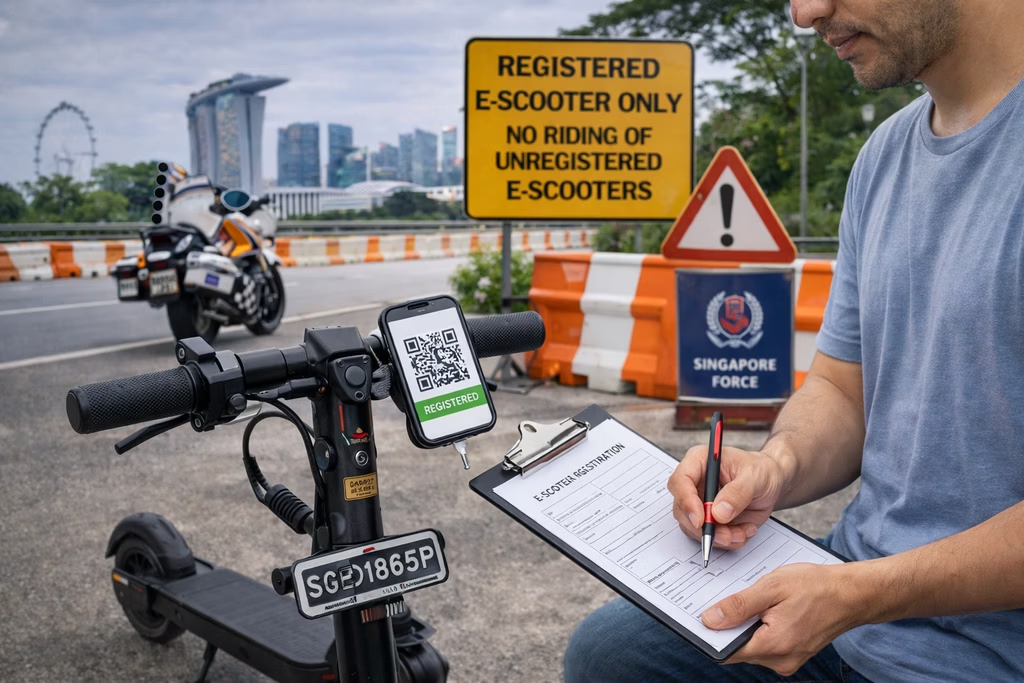

Navigating Singapore’s e-scooter registration for 2024 is not just a regulatory step; it’s a revolutionary move towards safer urban mobility. I’m really thrilled to see how these regulations are designed to promote safety and responsibility among riders. With e-scooter usage booming, this initiative ensures that we all understand the importance of respecting road rules and upholding community well-being. They are not only making it necessary to register e-scooters but also focusing on educating riders about safe practices, which is critical in preventing accidents and fostering a safer environment for everyone.
While I understand the logic behind registration, isn’t there a risk that these regulations could disproportionately affect casual riders? What about accessibility for those who may struggle with the registration process? This could deter more people from using e-scooters altogether.
That’s a valid concern, Siti! However, regulations are crucial for ensuring safety. They can actually help educate users, making it easier for even casual riders to understand their responsibilities. Plus, with more support and resources available, it can help streamline the registration process.
But the process might still be daunting for many. Do you think the government should invest more in outreach programs to assist people in understanding and completing this registration?
There’s always room for improvement, Siti! Implementing workshops and community initiatives could indeed bridge that gap, allowing those less familiar with technology to get the help they need, thus promoting a more inclusive riding community.
I wouldn’t say it’s just about making it challenging for casual riders. By enforcing registration, we’re making the riding culture more responsible and informed, which benefits everyone in the long run.
It’s wonderful to see forward-thinking policies in action, but isn’t there a risk of people being too focused on compliance and less on actual safe riding? Shouldn’t emphasis also be on promoting safety culture beyond just rules?
I see what you’re saying, but compliant behavior can foster a safer culture overall. It’s about balancing regulation with personal responsibility. As education increases, it will hopefully lead to better riding habits, not just rule-following.
That makes sense! Perhaps educational campaigns alongside enforcement would be the ideal approach to ensure everyone understands not just the rules but why they’re crucial for safety.
I think the new e-scooter registration policy in Singapore is a fantastic step towards creating a safer urban environment! By mandating users to register their e-scooters, the government is not only promoting accountability but also encouraging a culture of responsible riding. This will certainly help in tracking ownership and enhancing rider safety, which is crucial as e-scooter popularity continues to escalate. Such initiatives make it clear that the city is prioritizing public safety while embracing innovative modes of transport.
Moreover, the educational aspect of the policy is equally commendable. Riders will receive crucial information about safety practices, which can significantly reduce accidents and injuries. It’s empowering to know that by simply registering and adhering to these regulations, riders are contributing to a community where everyone can enjoy safer streets. It’s great to see Singapore stepping up and ensuring a balanced coexistence of e-scooters and other means of transport!
I agree with you, but I think the focus on compliance might be a bit strict. Not all users will be perfectly responsible. Shouldn’t there be more emphasis on education rather than just penalties for non-compliance? This feels a little punitive instead of proactive.
I understand your point, but education and compliance go hand in hand. If we don’t have some level of enforcement, then the safety measures may not be taken seriously by all riders. It’s about finding a balance between both.
Yes, promoting accountability is key! Education should be the first step, but without some form of enforcement, it might not stick. I believe in building a responsible riding culture, but it has to start somewhere.
That’s a good perspective. So, a combination of education and enforcement could foster responsible behavior amongst riders without being overly harsh. It’s a nuanced issue that requires careful thought.
But isn’t there a risk that too much focus on penalties could deter people from riding e-scooters altogether? We want to encourage use, not scare potential riders away!
While I see the potential benefits as you mentioned, what about the accessibility of the registration process? Not everyone is tech-savvy or can easily navigate online platforms, which could leave some riders out. How inclusive is this policy for people who might struggle with these requirements?
That’s a valid concern, Wei Ming. It’s important that the government considers providing alternative methods for registration, such as in-person assistance or community workshops. This could greatly help those who are less comfortable with technology and ensure everyone can participate in the safety initiatives.
Community workshops sound like a good idea! They could serve as a platform for not just registration but also educating riders about safety practices. Hopefully, this kind of initiative will emerge alongside the new policies.
Yep, having hands-on help would be great! It’s all about making the riding community more inclusive. Funded initiatives to assist people can make a huge difference.
Are you suggesting that we should just adapt policies for those less tech-savvy? It’s important to encourage everyone to become more comfortable with technology, instead of simplifying everything, which may not be sustainable in the long run.
I’m really curious about how the registration process will work for those who aren’t so good with technology. Are there any options for in-person help?
It’s important to consider all riders, and we’re always advocating for more accessible options. In-person assistance could be a great way for the community to support those who may struggle with online registration.
If I register my e-scooter, what happens if I forget to renew it on time? Will there be heavy penalties?
Forgetting to renew your e-scooter registration on time can lead to penalties, including fines and potential restrictions on use. It’s vital to stay updated on your renewal dates to avoid these issues.
I think the registration process is really smart! It helps keep everyone safe on the roads. But how can we make sure everyone knows about it, especially older folks who might not be tech-savvy?
It’s great to see Singapore taking steps to make e-scooting safer. I think everyone should follow the rules, not just to avoid penalties but to keep the roads safe for everyone.
This new registration rule is a good idea. Info on safety is needed but are there ways to make registration easier? Not everyone is comfortable with apps and online forms.
I agree with the need for registration. It helps keep track of riders and their e-scooters. Education on safety is just as important, so I’m glad to see it mentioned in the blog.