

As cities around the world embrace the promise of sustainable transportation, e-scooters have emerged as a popular choice for urban mobility. In Singapore, the government has recognized the need to regulate this rapidly growing mode of transport to ensure safety, efficiency, and harmony on the roads. With the unveiling of the 2024 Micro Mobility Policy, residents and visitors alike are set to navigate a framework designed to streamline the use of e-scooters while addressing the challenges posed by increased traffic and pedestrian safety concerns. This new policy not only reshapes existing regulations but also introduces innovative measures aimed at making e-scooter usage safe, universally accessible, and more environmentally friendly. With the rise of micromobility solutions, the importance of understanding the latest regulations cannot be overstated. As e-scooter users prepare for the upcoming changes, it becomes crucial to comprehend how these regulations impact their daily commutes and overall safety on the road. This blog post will delve into the key aspects of Singapore’s new e-scooter regulations, exploring their implications for riders, pedestrians, and the broader urban environment. Join us as we navigate the ins and outs of this new policy and what it means for the future of micromobility in Singapore.
Overview of the 2024 Micro Mobility Policy
The 2024 Micro Mobility Policy in Singapore marks a significant shift in the governance of e-scooter usage, aiming to create a safer and more organized environment for both riders and pedestrians. This comprehensive framework establishes clear regulations for e-scooter riders, addressing safety concerns that have grown alongside the increasing popularity of micro mobility solutions. The government’s emphasis on designated riding zones and safety requirements not only protects users but also promotes responsible riding practices. By targeting issues such as speed limits and the use of safety gear, the policy seeks to ensure that the burgeoning e-scooter culture aligns with the needs of an urban populace navigating shared spaces more harmoniously. Moreover, the implementation of these regulations is integral to Singapore’s long-term vision of incorporating sustainable transport options into the city’s landscape. The policy is designed to facilitate smooth commuting experiences while minimizing conflicts between e-scooter users and pedestrians. Through this initiative, the government aims to foster a culture of safety and awareness, empowering riders with guidelines on compliance and responsible usage. As stakeholders adjust to these changes, the new policy stands as a crucial stepping stone in redefining urban mobility in Singapore for the better.
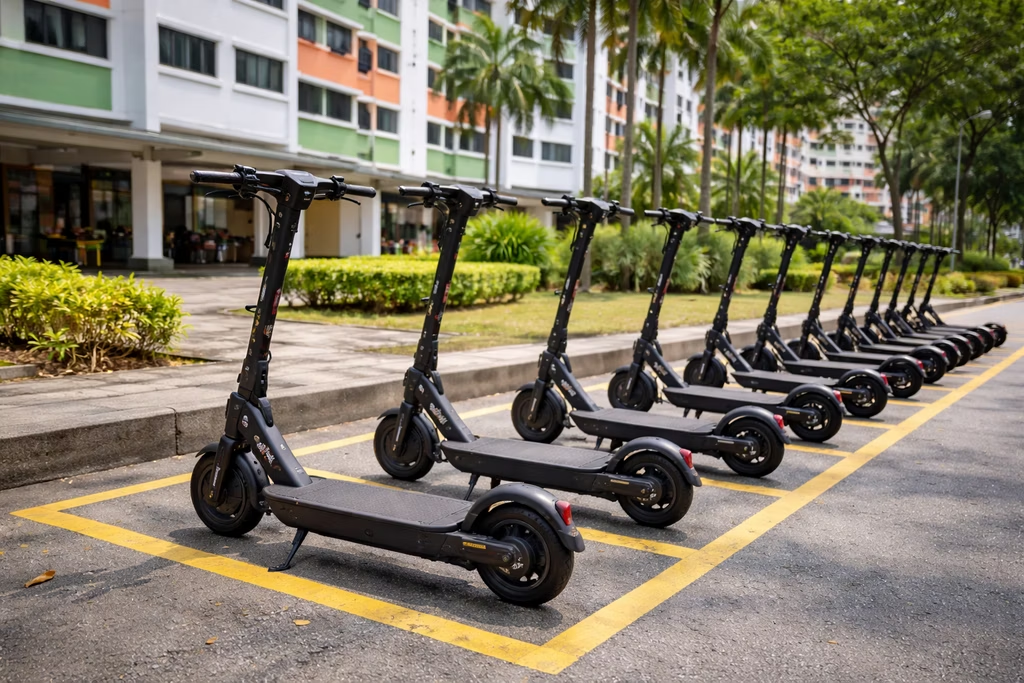
Key Changes to E-Scooter Regulations
The 2024 e-scooter regulations in Singapore bring significant changes that are designed to enhance safety and ensure the responsible use of micro mobility devices. One of the key updates includes the introduction of new speed limits, which are aimed at reducing the risk of accidents, especially in high-traffic areas. Riders will now be required to adhere to a maximum speed of 15 km/h on shared paths and 10 km/h in pedestrian zones. Additionally, stricter licensing requirements are being put in place, mandating all e-scooter users to complete an online safety training course before obtaining a license. This proactive approach will not only educate riders on safe riding practices but will also foster a culture of accountability and responsibility among micro mobility users in the community. Another notable change is the restriction on specific e-scooter models, which must now comply with predefined safety and technical standards. Riders must ensure that their devices meet the new criteria, which include requirements for general stability, braking system efficiency, and visibility features. Furthermore, designated riding zones have been expanded, helping to streamline e-scooter use across the city while encouraging safer riding habits. These changes collectively aim to improve the overall commuting experience for e-scooter users, promoting a safer, more organized urban environment and facilitating a better integration of micro mobility options into the transportation ecosystem.
Safety Requirements for E-Scooter Riders
The updated safety requirements for e-scooter riders in Singapore’s 2024 micro mobility policy mark a significant step towards enhancing rider safety and reducing accidents on the roads. Among the key changes is the mandatory use of helmets, which has been proven to significantly mitigate head injuries during unforeseen accidents. Additionally, riders are now required to complete safety training courses before hitting the roads. These courses will not only educate users about safe riding practices but also teach them the rules of the road, creating a more informed community of e-scooter commuters who prioritize safety while navigating urban environments. This proactive approach aims to foster responsible riding behavior among users, ultimately leading to a safer commuting landscape for everyone. Adapting to these new safety requirements is essential for both new and experienced riders. E-scooter enthusiasts must ensure they have the proper safety gear, including helmets that meet specified standards, and commit to embracing the best practices learned through mandatory training. While it may seem like an added responsibility, these measures have been put in place to protect riders and pedestrians alike. By complying with these regulations, e-scooter users can help shape a safer environment for all and contribute positively to Singapore’s evolving transport landscape. The government’s initiative reflects an understanding of the need for balance between the fast-growing e-scooter market and the necessity for safety in urban mobility.
Designated Riding Zones: What You Need to Know
As part of Singapore’s 2024 micro mobility policy, designated riding zones for e-scooters have been strategically mapped out to enhance the safety of both riders and pedestrians. These zones typically encompass wide pavements, bicycle lanes, and selected parks where e-scooter usage is permitted. Riders are encouraged to be familiar with their local regulations, as riding in areas outside of these designated zones could lead to penalties. The rationale behind these designated zones is rooted in urban planning goals that prioritize safe commuting experiences, reducing accidents, and ensuring that shared spaces are manageable for all users, including cyclists and pedestrians. However, not all areas in the city are suitable for e-scooter riding. Zones like busy intersections, crowded shopping streets, and residential areas with heavy foot traffic are largely restricted to prevent accidents and maintain public order. The government aims to balance the needs of e-scooter riders with the safety concerns of the general public. Riders must stay informed about the updated maps that outline restricted areas, as adherence to these regulations helps cultivate a culture of mutual respect on city streets. By understanding and respecting these designated riding zones, e-scooter users will contribute to a safer and more convenient urban mobility environment for everyone.
Navigating the Compliance Landscape
As Singapore rolls out its 2024 micro mobility policy, it’s essential for e-scooter riders to navigate the compliance landscape with care. To ensure adherence to the new regulations, start by thoroughly reviewing the updated laws relating to e-scooter usage, which include safety requirements and designated riding zones. Familiarizing yourself with these rules not only helps in avoiding potential penalties but also promotes safer riding practices within the community. Riders can access official resources, such as the Land Transport Authority’s website, which provides comprehensive guidelines and updates, as well as information on training programs designed to enhance road safety awareness among users of micro mobility devices. In the event of a violation, it’s critical to know the proper steps to take. Instead of panicking, e-scooter riders should promptly address the situation by gathering pertinent information and reaching out to local authorities for clarification on penalties. Employing the support of community forums or local e-scooter groups can also provide valuable insights and a network of individuals who may have dealt with similar issues. By staying informed and proactive, riders can gracefully adapt to the changing regulations, ensuring their daily commutes remain smooth and compliant within Singapore’s evolving urban transport landscape.
The Future of Urban Mobility in Singapore
As Singapore gears up to implement its 2024 micro mobility policy, the landscape of urban mobility is on the brink of a significant transformation. The well-defined regulations are poised to shape commuting patterns by promoting the use of e-scooters, which can improve last-mile connectivity in conjunction with existing public transport systems. By establishing designated riding zones and safety requirements, the government aims to enhance user experience while minimizing conflicts with pedestrians and vehicular traffic. This careful balance will likely foster a culture of acceptance around e-scooters, encouraging more residents to adopt this eco-friendly mode of transportation in their daily routines. The integration of e-scooters into Singapore’s broader transport ecosystem represents not just an evolution in commuting habits but also a step towards addressing congestion and emissions in urban areas. As e-scooter usage becomes more mainstream, public transport operators may adapt their offerings to incorporate e-scooter docks or rental schemes, creating seamless mobility solutions for commuters. Ultimately, the future of urban mobility in Singapore hinges on a collaborative approach that engages various stakeholders, including city planners, transportation authorities, and the public, ensuring that innovation leads to sustainable and efficient commuting options for all.
Embracing Change: The Path Ahead for E-Scooter Riders in Singapore
As we delve into Singapore’s newly unveiled E-Scooter regulations for 2024, it’s clear that these changes aim to create a safer and more structured micro mobility landscape. With stricter guidelines on speed limits, designated paths, and user behavior, the government’s goal to enhance road safety is evident. For riders, understanding and adapting to these new regulations will be crucial for seamless navigation through the city. Additionally, the focus on responsible riding will not only foster a positive perception of e-scooters but also encourage greater acceptance among the wider community. In conclusion, while the 2024 micro mobility policy introduces challenges for e-scooter users, it also opens the door for a more harmonious coexistence with pedestrians and vehicles. Embracing these regulations will not only ensure compliance but will also contribute to a safer, more enjoyable riding experience. As Singapore continues to innovate and adapt in the face of increasing urban mobility demands, staying informed about such policies will empower riders to make the most of their journeys while promoting a culture of responsibility on the roads.

I’m really excited about Singapore’s 2024 Micro Mobility Policy! This new regulation is a huge step towards creating a safer environment for e-scooter users and pedestrians alike. With the introduction of clear speed limits and designated riding zones, it really shows that the government is taking the safety of everyone into consideration. It’s fantastic to see how they’re promoting responsible riding with mandatory training and safety gear requirements. This not only prepares e-scooter riders for a smooth commuting experience but also fosters a culture of accountability.
Moreover, this initiative perfectly aligns with Singapore’s vision of sustainability. E-scooters are a great way to reduce traffic congestion and emissions, making them an essential part of our urban landscape. As we move towards a greener future, understanding these new regulations will empower riders and encourage more people to embrace e-scooters. I’m genuinely optimistic about how this will change our daily commutes and contribute positively to our city’s environment!
While I appreciate the enthusiasm, I wonder if these regulations will actually be effective in practice. How will authorities enforce speed limits or designated zones? What about the potential for riders to still ignore these rules and create unsafe conditions? It seems like a lot depends on individual compliance, which might not be guaranteed.
Additionally, will all riders have access to training? What about those who are not tech-savvy? We have to ensure that everyone can easily understand and comply with these laws, or we’ll risk excluding certain segments of the population.
I totally understand your concerns, Kevin. However, the presence of penalties for violations acts as a deterrent for irresponsible riding. The government plans to increase enforcement through awareness campaigns and regular checks, which should help in maintaining compliance. It’s about creating a culture where safety is prioritized, and that can be built over time through education and commitment to the rules.
But what if the penalties are too lenient? Wouldn’t that actually encourage riders to flout the rules instead of complying? It’s important that the consequences are serious enough to motivate change and ensure safety for everyone.
I think it’s all about balance, Kevin. The regulations are still new, and while some might initially push the boundaries, over time, compliance may increase with more awareness. Open conversations about safety and civic responsibility can certainly lead to greater respect for the rules.
I think the new e-scooter laws are a smart move for Singapore. It’s important that everyone rides safely and follows the rules to protect both users and pedestrians. Can’t wait to see how it improves our roads!
I’m really excited about the new e-scooter regulations being introduced in Singapore! This 2024 Micro Mobility Policy seems to be a game changer for urban transportation. It’s fantastic to see the government taking action to create a safer and more organized environment for both riders and pedestrians. The emphasis on designated riding zones and safety training will not only help reduce accidents but also promote responsible riding behavior, which is crucial as e-scooter usage continues to grow.
Moreover, the mandatory use of helmets and the new speed limits are definitely steps in the right direction. These measures will protect riders while ensuring that e-scooter use aligns with the needs of other road users. Overall, I believe these regulations will encourage more people to embrace e-scooters as a viable mode of transport, ultimately making our urban spaces more sustainable and efficient. Can’t wait to see how this unfolds!
But are these regulations really enough? While I appreciate the focus on safety, I’m concerned about how effective these measures will be in practice. Will there be proper enforcement of the rules, especially in high-traffic areas? Furthermore, what happens to those who might not comply despite the regulations? If the penalties are not stringent enough, riders may feel emboldened to ride recklessly, putting everyone at risk.
I see your point, Kevin, but the government is planning to increase enforcement through regular checks and awareness campaigns. They want to ensure compliance, and having penalties is part of that strategy. While penalties may seem lenient initially, it’s about building a culture of compliance. Over time, as riders become more educated about the rules, I believe they will adopt safer riding practices.
That makes sense, Darren. Education is key, but do you think every rider will take it seriously? Some may just ignore the rules until they face consequences. Maybe a tiered penalty system could keep riders more accountable?
That’s an interesting idea, Kevin! A tiered penalty system could provide incentives for safe riding, such as reducing penalties for first-time offenders who complete training. It’s essential to strike the right balance between enforcement and education to foster a safer environment for everyone.
Absolutely! Maintaining a consistent dialogue with riders about expectations will be key. It’s all about creating a respectful community on the roads. If riders feel the regulations are fair and understand their importance, they’ll likely be more willing to comply.
Agreed, but let’s also consider the diverse experiences and backgrounds of riders. Some may not have access to safety training or resources to comply fully with the regulations. Ensuring inclusivity in these programs could help bridge the gap and truly enhance safety for all.
It’s great to hear your enthusiasm for safer riding, Darren! The idea of education combined with enforcement is crucial. Additionally, will there be resources available for the community to learn about these regulations? Access to information can make a big difference in how well these new policies are received.
Definitely! The government plans to roll out community workshops and online resources to help riders understand the new rules. Making this information readily accessible is vital. The more informed riders are, the safer our streets will be!
I hope they can reach out to more riders across different platforms. We need to make sure that everyone, especially those who are new to e-scooters, knows about these changes to encourage a culture of safety.
Great article! I’m glad to see that safety is a priority now. Hope everyone will adapt to these changes quickly and we can enjoy a safer city with less accidents.
I appreciate the focus on training and helmets. It’s about time we make e-scooter riding safer for everyone on the road.
I think these new regulations are a great step forward for safety. It’s important that all e-scooter riders understand the rules to keep themselves and pedestrians safe.
I’m curious about how the government plans to educate riders about these new regulations. Will there be workshops or community programs to help everyone understand the changes?
Yes, the government plans to implement various educational initiatives, including workshops and community programs, to ensure that all riders understand the new e-scooter regulations. This proactive approach will foster a culture of safety and compliance among users, making urban mobility safer for everyone.
What kind of penalties do e-scooter riders face if they don’t follow these new regulations? It’s important to know the consequences.
E-scooter riders who fail to comply with the new regulations may face fines or penalties, particularly for violations such as exceeding speed limits or riding in prohibited zones. Understanding these consequences is crucial for maintaining safety and compliance while navigating Singapore’s streets.