

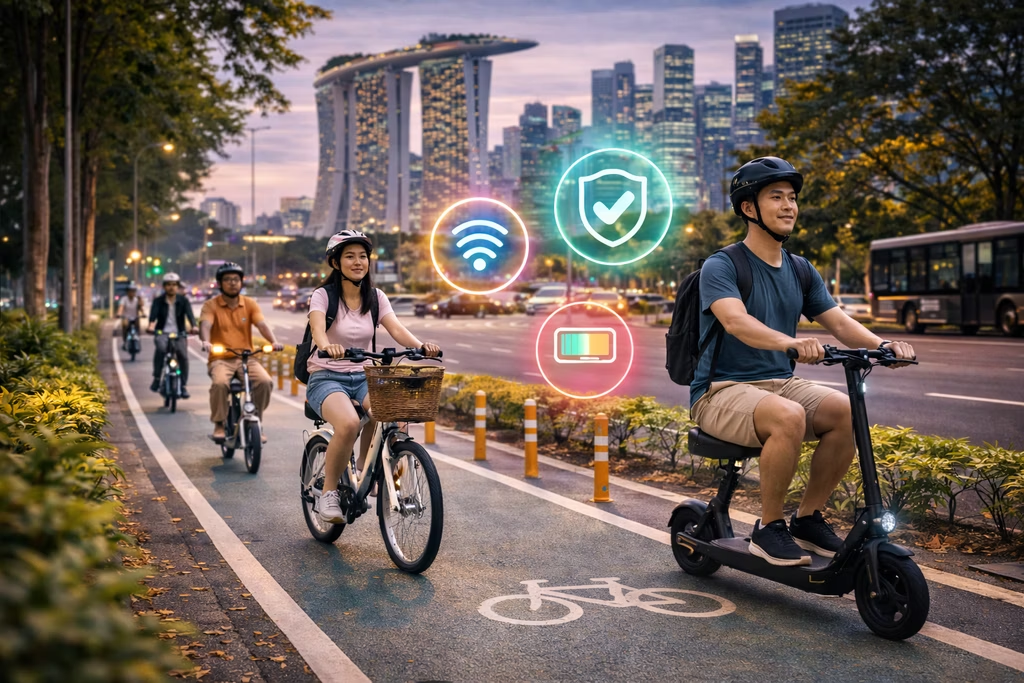
As we look towards the future of urban transportation, few cities embody innovation and forward-thinking quite like Singapore. With its unique blend of cutting-edge technology and sustainable practices, Singapore is positioning itself at the forefront of the micro-mobility movement. By 2025, the city’s ambitious vision aims to redefine commuting through a seamless integration of shared e-scooters, bicycles, and compact electric vehicles, making transportation not only more efficient but also accessible for everyone. This blog explores how Singapore is crafting a vibrant micro-mobility ecosystem designed to enhance urban mobility, reduce traffic congestion, and promote a greener environment, all while keeping the city’s inhabitants connected and engaged with their surroundings. As part of this revolutionary approach, Singapore is investing in smart infrastructure and user-centric policies that encourage the adoption of micro-mobility options. The government is actively working alongside private stakeholders to develop an interconnected network of paths and lanes that cater to diverse mobility needs, ensuring safety and convenience for all users. Through innovative technology and strategic planning, Singapore’s vision for 2025 is not just about transportation; it’s about creating a livable, sustainable city where mobility enhances the overall quality of life. Join us as we delve into the dynamics of this reformative micro-mobility initiative and what it signifies for urban living in the years to come.
The Landscape of Urban Mobility in Singapore
The landscape of urban mobility in Singapore is in a state of dynamic transformation, characterized by a variety of existing transport modes that cater to the city-state’s diverse needs. Currently, Singapore boasts an extensive public transportation system that includes buses, MRT trains, and taxis, but these traditional modes face challenges, such as congestion during peak hours and limited last-mile connectivity. In recent years, micro-mobility solutions, particularly e-scooters and bicycles, have increasingly gained momentum as viable alternatives for short-distance travel, driven by the demand for more efficient and sustainable transport options. The rise of shared mobility services has further supplemented these solutions, providing residents with flexible choices for getting around the urban landscape. It’s clear that the demand for innovative mobility solutions is not just a trend but a response to the challenges faced by a densely populated city like Singapore, making it imperative to embrace change in the coming years. As Singapore eyes its 2025 urban redevelopment initiatives, the city will pivot towards enhancing e-scooter accessibility and improving micro-mobility networks to better integrate them with existing transport systems. This evolution is essential for achieving smoother last-mile connections while simultaneously addressing pressing issues such as traffic congestion and carbon emissions. The forthcoming infrastructure improvements will include dedicated lanes for e-scooters and smart technologies that facilitate real-time data sharing among users and service providers. These adaptations aim to promote a greener and more efficient urban environment, thus fostering an innovative culture that prioritizes accessibility and sustainability. Exploring the current landscape of urban mobility is crucial to understanding the urgency and necessity of these transformative changes poised on the horizon.
Unlocking Accessibility: E-Scooters and Modern Infrastructure
As Singapore gears up for its ambitious 2025 urban redevelopment plan, a vital component of this vision is the enhancement of accessibility through e-scooters supported by modern infrastructure. Planned improvements include dedicated e-scooter lanes, strategically placed parking spaces, and an extensive network of charging stations. These infrastructure changes are not merely about providing a space for e-scooter riders; they are intended to foster a shift in public perception, positioning e-scooters as a preferred mode of transport. With these enhancements, Singapore aims to create a seamless experience for users, encouraging more people to adopt micro-mobility solutions for their daily commutes and errands, ultimately reducing congestion on the roads and contributing to a greener urban landscape. To complement these infrastructural upgrades, the integration of smart technology will play a critical role in optimizing the usability and efficiency of the e-scooter network. Real-time tracking, automated payment systems, and user-friendly apps will enhance the rider experience, making e-scooters not only accessible but also convenient for the masses. As these plans unfold, Singapore stands at the forefront of revolutionizing urban mobility, where the vision for 2025 will pave the way for a more connected, sustainable, and accessible city. The developments in micro-mobility infrastructure signify a comprehensive approach that blends functionality with innovative technology, marking a significant leap towards achieving a greener urban transportation system.
The Role of Technology in Micro-Mobility Networks
Technology will play a pivotal role in the development of Singapore’s micro-mobility networks as part of its urban redevelopment initiatives for 2025. The integration of smart traffic management systems will enable real-time monitoring and control of the growing number of e-scooters traversing the city. This advanced infrastructure will facilitate smoother traffic flow, reducing congestion and enhancing safety for both micro-mobility users and pedestrians. For instance, smart sensors can adjust traffic signals based on the volume of e-scooter usage, ensuring that riders can traverse intersections without unnecessary delays. Furthermore, mobile applications will offer riders comprehensive travel information, including the best routes, availability of e-scooter rentals, and parking options, thereby improving user experience and promoting increased adoption of these eco-friendly transport options. In addition to operational efficiency, technology also bridges the connection between users and micro-mobility services. With the development of user-friendly apps and platforms, commuters will find it easier to plan their journeys, often allowing for multi-modal transportation options that include buses, trains, and e-scooters. This seamless integration not only enhances convenience but also encourages greener travel choices, contributing to Singapore’s vision of a more sustainable urban environment. However, as technology advances, policymakers must also address various challenges, including data privacy concerns and ensuring that all neighborhoods benefit from the expanded micro-mobility infrastructure. By fortifying this technological foundation, Singapore positions itself as a leader in urban mobility innovation for the future.
Environmental and Congestion Benefits of Micro-Mobility
The environmental and congestion benefits of micro-mobility in Singapore are poised to play a pivotal role in the city-state’s urban transformation. As part of the strategy for 2025, enhancing the infrastructure for e-scooters and other micro-mobility options presents a compelling opportunity to reduce vehicular emissions. By encouraging residents to opt for these greener alternatives, Singapore can significantly lower its carbon footprint, move towards a sustainable future, and improve air quality across its bustling urban landscape. As micro-mobility solutions become more accessible, a shift away from traditional petrol and diesel vehicles will also help mitigate the effects of climate change, making vibrant urban areas even more livable and inviting for all. Moreover, the implementation of dedicated pathways for micro-mobility can lead to a marked decrease in road congestion—a common issue plaguing metropolitan areas worldwide. By providing seamless connections for e-scooters, bicycles, and other small electric vehicles, Singapore endeavors to streamline its transportation network. This planned investment in micro-mobility infrastructure not only promotes easier, greener travel options but also enhances last-mile connectivity, consequently reducing the overall number of cars on the road. With these changes, the city can expect a more efficient transportation system that alleviates traffic jams, resulting in improved quality of life for those living and working in Singapore.
Challenges Ahead: Navigating the Path to Implementation
As Singapore moves towards its ambitious 2025 vision for micro-mobility, several challenges stand in the way of successful implementation. Regulatory hurdles are among the most pressing, as policymakers will need to create comprehensive rules that balance innovation with safety and public order. Establishing clear guidelines for the use of e-scooters, designating specific routes, and ensuring responsible behavior among users will require careful consideration from the government. Coupled with this, public acceptance of micro-mobility solutions must also be prioritized; residents may have concerns about safety, potential accidents, or the integration of these vehicles into the existing urban landscape. Building a strong case for e-scooter adoption through education and outreach will play a vital role in garnering public support for this initiative. Additionally, the financial aspect cannot be overlooked. The infrastructure costs associated with developing dedicated lanes, charging stations, and smart technology integration can be significant. This financial burden may necessitate creative funding strategies that involve public-private partnerships and investment in sustainable urban transport solutions. Ensuring that these costs are shared equitably among stakeholders will be essential for creating a viable micro-mobility network. By facing these challenges head-on, Singapore can pave the way for a more seamless and efficient urban mobility experience that aligns with its future-focused vision.
Policy Adjustments for a Sustainable Future
As Singapore gears up for its ambitious 2025 urban redevelopment initiatives, policy adjustments will play a critical role in advancing a micro-mobility-friendly environment. Future regulations may need to include clearer guidelines for e-scooter usage, designating specific lanes that separate them from vehicular traffic to enhance safety for all road users. Additionally, there could be a need for licensing protocols to ensure that e-scooter operators meet specific safety standards. Such policies will not only facilitate smoother integration of micro-mobility solutions into the urban fabric but also help in managing the expected influx of riders, thus preventing congestion or misuse of shared mobility options. Moreover, the regulatory framework could encompass incentives for businesses and residents alike to adopt micro-mobility options, such as subsidies for e-scooter purchases or tax breaks for companies that invest in bike-sharing programs. These adjustments will encourage participation in sustainable transportation methods, effectively reducing carbon emissions and alleviating strain on public transport systems. As Singapore embraces smart technology in its infrastructure, policies should also promote data sharing practices that can provide insights into ridership patterns, allowing for a more responsive and efficient micro-mobility network. This forward-thinking governance approach not only supports the burgeoning micro-mobility sector but also aligns with Singapore’s broader sustainability goals for a greener future.
Embracing the Future: Singapore’s Commitment to Micro-Mobility in 2025 and Beyond
As we look towards the future of urban transportation, Singapore’s commitment to micro-mobility in 2025 marks a significant turning point in the way we navigate our cities. By embracing innovative solutions such as e-scooters and bike-sharing programs, coupled with dedicated infrastructure and policies promoting safety and accessibility, Singapore is setting a blueprint for sustainable urban travel. This ambitious vision not only aims to reduce congestion and lower emissions but also enhances the overall quality of life for residents and visitors alike. The city’s proactive approach serves as an inspiring example that other global cities can learn from as they seek to adapt to the evolving needs of urban mobility. In conclusion, Singapore’s vision for micro-mobility represents a holistic shift towards a more integrated and efficient transportation network. As we anticipate 2025, the positive implications of these advancements will undoubtedly contribute to a greener environment and a more connected community. The ongoing collaboration among government, businesses, and citizens will be crucial as Singapore continues to innovate and redefine what it means to travel within a modern city. Together, we stand to witness not just a revolution in how we move, but a reinvention of urban life itself.

I am incredibly excited about Singapore’s vision for micro-mobility in 2025! It’s amazing to see how the city is at the forefront of integrating cutting-edge technology with eco-friendly transportation solutions. The planned improvements for e-scooter lanes, charging stations, and user-friendly apps will surely redefine how we commute. This change not only aims to ease traffic congestion but also fosters a greener environment, which is so vital in today’s urban landscape. I believe that making transportation efficient and accessible for everyone is a step in the right direction, and it reflects Singapore’s commitment to innovation and sustainability.
While I appreciate the optimism, I can’t help but wonder if this initiative will truly address the potential safety concerns linked to e-scooters on the roads. Are we really prepared for the challenges that come with this change, or is it just another trendy solution?
I understand your concerns about safety, but the inclusion of dedicated e-scooter lanes actually mitigates many risks. This design ensures that all commuters, including pedestrians, can coexist without jeopardizing each other’s safety. Moreover, the emphasis on smart technology will hopefully address and minimize accidents.
While dedicated lanes sound good, we should also consider how they will coexist with existing traffic. Can we ensure that they won’t create new issues like increased congestion in those lanes?
Do we have data on e-scooter accidents in other cities? That would help us understand if Singapore’s plans can really lead to safer roads.
You raise a valid point, but I believe that public education and outreach about micro-mobility options, as planned, can greatly enhance safety. Once residents understand the benefits and usage of e-scooters, they’re likely to adopt them more responsibly.
That’s true! Education is essential. However, it’s still essential for policies to be robust enough to manage irresponsible behavior, as some riders may disregard safety.
Let’s hope they have strong monitoring systems in place. It’ll be interesting to see how they adapt regulations based on usage patterns post-launch.
I can see where you’re coming from, but I believe that innovative solutions are necessary for modern urban life. If we don’t embrace these opportunities, how can we say we’re progressing? It’s crucial that Singapore continues to seek creative solutions to its transportation challenges.
I agree that innovation is key, but we mustn’t overlook the important role of public support and understanding in making these initiatives successful.
You make a great point, Aina! However, if citizens feel rushed into these changes without comprehensive education, it might backfire. It’s about balance.
I love how Singapore is embracing e-scooters! It’s about time we made urban transport more efficient and eco-friendly. Can’t wait to see these changes in action!
Do you think the integration of smart technology will truly enhance the user experience for e-scooter riders?
Absolutely! The integration of smart technology like real-time tracking and automated payment systems will significantly improve usability and convenience for e-scooter riders. It makes the whole experience smoother while encouraging more people to switch to these eco-friendly options.
This is a great move for reducing traffic congestion. Hopefully, the safety measures they implement will keep everyone safe on the roads. Looking forward to 2025!