
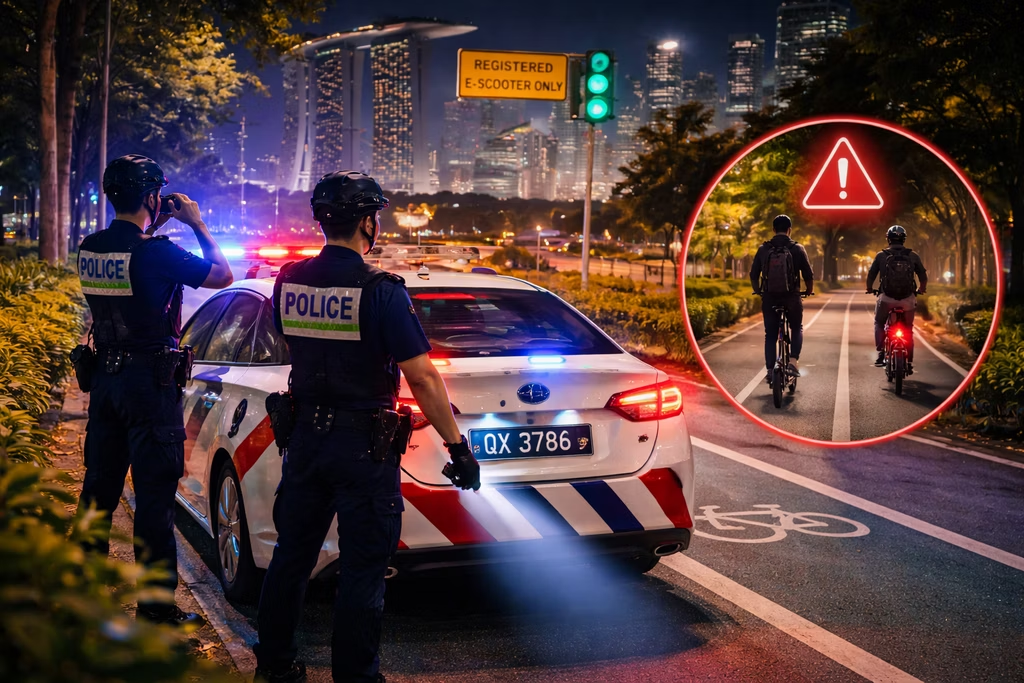
In recent years, the rise of e-scooters has transformed urban transportation in Singapore, making it more accessible, efficient, and eco-friendly. However, along with the benefits of increased mobility, challenges such as rider safety and compliance with traffic regulations have emerged. To address these concerns, local authorities have initiated nighttime e-scooter patrols, marking a significant step toward ensuring safe and responsible riding practices during the hours when visibility and risk are heightened. This innovative approach aims to educate riders while simultaneously enforcing laws that protect both e-scooter users and pedestrians alike. The launch of nighttime patrols not only reflects a commitment to improving public safety but also highlights the ongoing evolution of Singapore’s urban landscape. As more individuals opt for e-scooters as their primary mode of transport, understanding the implications of these patrols is vital for both seasoned riders and newcomers. This blog post will delve into the objectives, strategies, and anticipated outcomes of the nighttime patrol initiative, providing insights into how it is reshaping the riding experience and fostering a culture of compliance in the bustling streets of Singapore.
The Rise of E-Scooters in Singapore
In recent years, e-scooters have surged in popularity across Singapore, revolutionizing urban transport and offering residents a nimble solution to navigating the bustling cityscape. As an efficient and environmentally friendly mode of transportation, e-scooters provide significant benefits for short-distance travel, helping to alleviate traffic congestion and reduce carbon footprints. Their convenience, affordability, and ease of use have made them a go-to choice for commuters, tourists, and those seeking quick trips. However, with the exponential increase in e-scooter usage comes challenges, including safety concerns and compliance issues that have prompted authorities to reassess regulatory measures surrounding their use, especially during nighttime hours when visibility and safety conditions deteriorate. This context underscores the pressing need for enhanced enforcement strategies to ensure a safer riding environment for all users. The rise in e-scooter ridership has necessitated a comprehensive approach to address the associated risks effectively. With nighttime e-scooter patrols set to launch in 2024, Singapore aims to tackle the growing incidence of accidents and illegal riding behaviors, especially in high-traffic areas. These patrols will not only enforce compliance with existing safety regulations but also serve to educate riders on responsible practices. By focusing on hotspots, authorities intend to create a safer nighttime environment for both e-scooter riders and pedestrians alike. This proactive approach reflects Singapore’s commitment to maintaining a vibrant urban transport landscape while ensuring that safety remains a top priority as the popularity of e-scooters continues to grow.
The Need for Nighttime Patrols
The rise in the popularity of e-scooters has brought about significant concerns, particularly regarding rider safety during nighttime usage. Statistics reveal a noticeable spike in accidents involving e-scooters after dark, which raises alarms for both riders and pedestrians. In many of these incidents, factors such as inadequate lighting, impaired visibility, and illegal riding behaviors have contributed to the prevalence of accidents. In Singapore, where e-scooter usage continues to soar, these realities underscore the urgent need for proactive measures to mitigate risks associated with nighttime riding. With incidents often clustered in hotspot areas, identifying these problematic zones is critical for effective enforcement efforts. The implementation of nighttime patrols represents a pivotal response to these pressing concerns. By actively monitoring and engaging with e-scooter users after dark, authorities aim to deter illegal behaviors such as riding on sidewalks or without proper safety gear. These patrols will not only increase compliance with safety regulations but also serve as a platform for public education, informing riders about safe practices and the consequences of reckless behavior. There’s a clear recognition that addressing safety issues through enhanced law enforcement is essential for fostering a culture of responsible riding and ensuring the well-being of all road users at night.
Understanding Singapore’s Safety Regulations
In Singapore, the use of e-scooters is governed by stringent safety regulations aimed at ensuring the well-being of both riders and pedestrians. These regulations specify crucial aspects such as speed limits, designated riding paths, and requirements for safety gear. For instance, riders must adhere to a maximum speed limit of 25 km/h on paths and 15 km/h in pedestrian areas. Moreover, using e-scooters on roads is prohibited unless the vehicles are equipped with proper safety features. These regulations not only help to mitigate accidents but also foster a culture of responsible riding among users, crucial for maintaining harmony among road users in a densely populated urban landscape. By understanding these laws, riders can better navigate their rights and responsibilities, ultimately promoting a safer environment for all citizens. The impending implementation of nighttime e-scooter patrols, set to launch in 2024, seeks to bolster the enforcement of these regulations, particularly during the evening when e-scooter use tends to increase. Authorities will focus their efforts on identified hotspot areas prone to accidents and unsafe riding behaviors, utilizing real-time enforcement tactics and public education campaigns. By enhancing compliance with Singapore’s established safety regulations, nighttime patrols aim to deter reckless riding and promote safer riding practices, creating a comprehensive approach to safeguarding all road users. As riders become more aware and compliant with these regulations, the overall safety of the environment will improve, making nighttime travel on e-scooters not only convenient but also secure.
The Implementation of Nighttime Patrols
The implementation of nighttime e-scooter patrols in Singapore is a strategic initiative that will roll out in 2024, driven by the objective to significantly enhance rider safety and compliance with existing regulations. Authorities are equipping dedicated personnel with advanced technology, including nighttime vision cameras and real-time monitoring systems, to effectively address the concerns surrounding e-scooter use after dark. The targeted hotspot areas, identified through data analytics and past incident reports, will be key locations for these patrols. This proactive approach aims to create an environment where responsible e-scooter use is not only encouraged but enforced, giving riders peace of mind while promoting a safer travel option for all members of the community. The expected outcomes of these nighttime patrols extend beyond mere enforcement. These initiatives promise to deter illegal riding behaviors, reduce accidents, and inadvertently raise awareness of safety guidelines among e-scooter riders. With real-time enforcement, incidents of non-compliance, such as riding without adequate lighting or on pedestrian paths, are set to decrease sharply. Additionally, integrated public education campaigns will accompany these patrols, ensuring that riders are well-informed about the dos and don’ts of nighttime e-scooter usage. This holistic approach is expected not only to improve compliance and safety but also to foster a culture of responsible riding, ultimately enhancing the overall e-scooter experience in Singapore.
Public Engagement and Education
Public engagement and education play a crucial role in ensuring the success of nighttime e-scooter patrols in Singapore. As authorities ramp up enforcement efforts to improve rider safety and compliance, it is equally important to educate the public about the rules and best practices for riding responsibly. Campaigns that emphasize safety regulations, such as the importance of wearing helmets and following speed limits, can empower riders to make informed choices. Utilizing various platforms such as social media, community workshops, and school programs can enhance public outreach efforts and ensure that riders are knowledgeable about the guidelines that govern e-scooter use, especially at night when visibility is reduced. Moreover, fostering community involvement in these educational initiatives can significantly amplify their effectiveness. By encouraging local residents, businesses, and organizations to participate in promoting safe riding behaviors, the message is further strengthened. Partnerships can be formed with e-scooter rental companies to include safety briefings before riders embark on their journeys. Engaging community champions to lead discussions or events focused on nighttime safety practices can cultivate a culture of accountability where everyone feels invested in making Singapore a safer place for e-scooter riders. Together, public education and community engagement will be pivotal in ensuring that the nighttime patrols are not just about enforcement, but also about building a culture of safety and compliance among riders.
Future of E-Scooter Safety in Singapore
The future of e-scooter safety in Singapore looks promising with the introduction of nighttime patrols. This strategic move is likely to reduce accidents by ensuring that riders adhere to safety regulations, particularly in high-risk areas. By having a visible law enforcement presence during the evening hours, the authorities aim to deter reckless riding behaviors that have plagued the city. Moreover, this initiative fosters a culture of compliance, which not only enhances the safety for riders but also instills confidence in the broader community regarding the responsible use of e-scooters, especially as urban transportation evolves to meet the needs of a bustling metropolis like Singapore. Over time, these patrols could potentially transform public perception of e-scooter use, molding it into a safer and more accepted mode of transport for both riders and pedestrians alike. As we look towards the future, the long-term impacts of nighttime patrols may extend beyond immediate safety improvements. Increased compliance with safety regulations can contribute to a decrease in accidents, ultimately making e-scooters a more viable transportation alternative. Furthermore, with the potential for data collection during these patrols, authorities might gain insights into rider behavior patterns and hotspots, enabling ongoing refinement of safety initiatives. In this way, the future of e-scooter safety in Singapore not only hinges on enforcement but also on the community’s evolving attitudes towards e-scooters, with the hope of fostering a balanced and harmonious coexistence in an urban landscape that increasingly embraces innovative modes of travel.
Embracing a Safer Future for E-Scooter Riders in Singapore
In conclusion, the introduction of nighttime e-scooter patrols in Singapore marks a significant advancement in rider safety and compliance. This proactive measure not only ensures that e-scooter riders adhere to regulations but also enhances the overall safety of pedestrians and road users. By increasing visibility and enforcement during the hours when accidents are more likely to occur, the patrols play a crucial role in fostering a harmonious coexistence of personal mobility devices and the urban environment. Riders can feel safer knowing that there are measures in place promoting responsible behavior, while the community at large benefits from reduced risks associated with e-scooter use. As Singapore continues to embrace innovative solutions for urban mobility, the nighttime patrol initiative stands as a model for other cities facing similar challenges. By prioritizing safety and compliance, Singapore is not only setting the standard for e-scooter regulations but also demonstrating a commitment to creating a sustainable and secure environment for all. As we look toward the future, it is imperative for riders to engage with these developments actively, ensuring that they contribute positively to the city’s mobility ecosystem while enjoying the freedom that e-scooters bring.

Do you think the nighttime patrols will really make a difference in preventing accidents? I feel like riders need more awareness too.
Yes, the nighttime patrols are expected to significantly enhance rider safety by enforcing regulations, particularly in high-risk areas. Alongside enforcement, public education campaigns will raise awareness among riders about safe practices, which is crucial for reducing accidents.
I absolutely love the concept of nighttime e-scooter patrols! This initiative seems like a game-changer for rider safety in Singapore. With e-scooter popularity skyrocketing, having dedicated patrols will not only reinforce safety regulations but also educate both seasoned and new riders on best practices. I believe this will significantly reduce accidents and enhance the overall experience for e-scooter users, fostering a culture of responsibility and compliance. Plus, having a visible law enforcement presence at night should give riders peace of mind while they navigate the city!
While I see your excitement, I’m a bit skeptical about whether these patrols will actually reduce accidents. Isn’t there a risk that riders may simply adapt to the presence of patrols and change their unsafe behaviors only temporarily? What measures will ensure long-lasting compliance and not just compliance when being observed?
That’s a good point, but we can also look at how these patrols can set a precedent for other cities. If Singapore pulls this off successfully, it could encourage a shift in how urban mobility and safety regulations are viewed globally. Shouldn’t we give this initiative a chance to prove its effectiveness?
That’s a valid concern, Mei Ling. However, the key aspect here is the educational component accompanying these patrols. By continuously informing riders about the risks and consequences of unsafe behavior, the hope is to instill a long-term change in riding culture. It’s not just about enforcing laws but also making riders internalize safety practices even when patrols aren’t around.
Interesting perspective! But, how do you make sure that the educational programs reach all riders, especially those who might ignore the rules? Shouldn’t there be stronger penalties for repeat offenders?
I appreciate your points, Mei Ling. Having stricter penalties for habitual offenders could definitely act as a stronger deterrent. This combined approach, with both enforcement and education, could create a more sustainable solution to ensuring rider safety.
I share your enthusiasm, Lian! The focus on safety education is critical. Creating awareness can change attitudes toward riding practices over time. I hope they’ll also involve community input to develop safety workshops so that all riders, regardless of experience, understand the risks properly.
It’s great to see Singapore taking action for e-scooter safety during night rides! The patrols should help many riders stay compliant and safe. Just hope the public gets involved too.
I love the idea of nighttime patrols! It makes me feel safer riding my e-scooter. Educating riders is key, and I hope this initiative gets everyone on board.