
As urban environments continue to grapple with issues such as pollution and traffic congestion, innovative solutions for eco-friendly commuting are coming to the forefront. Singapore, a city-state known for its forward-thinking approach to sustainability, is leading the charge with its ambitious plans for the e-scooter revolution by 2025. This blog post delves into the transformative journey of e-scooters in Singapore, exploring their potential to redefine urban mobility while contributing to environmentally responsible transportation options for residents and visitors alike. With the government’s commitment to enhancing public transport and reducing carbon footprints, e-scooters are set to become a vital component of Singapore’s transportation ecosystem. We will examine the anticipated developments within the e-scooter infrastructure, regulations that ensure rider safety, and the integration of this mode of transport with existing transport networks. By reimagining eco-commuting through thoughtful planning and innovation, Singapore is not only setting a benchmark for itself but also inspiring cities around the globe to adopt similar green initiatives for future commuting.
Understanding Eco-Commuting: The Need for Change
As urban populations swell, the need for eco-commuting solutions has never been more pressing. Traditional commuting methods, like cars and buses, often contribute significantly to greenhouse gas emissions and urban congestion, amplifying the challenges cities face in combating climate change. In the context of Singapore, where space is limited and air quality is a growing concern, the shift towards eco-commuting alternatives is crucial. This change not only addresses environmental issues but also enhances the overall quality of life for residents. With rising awareness of carbon footprints and the desire for sustainable living, initiatives that promote e-scooting can effectively reduce emissions while offering a practical mode of transport for daily commutes. To successfully tackle these issues, Singapore is spearheading innovative policies and infrastructure developments aimed at fostering an eco-friendly commuting culture, particularly with the rise of e-scooters in urban settings. The implementation of dedicated scooter lanes and strategically located charging stations will not only ensure safety and convenience for riders but will also signal a larger commitment to sustainable urban mobility. By 2025, these enhancements are expected to significantly alleviate traffic congestion, promote greener commuting habits, and draw a clear line toward a sustainable future for the city. Such initiatives highlight the essential role of eco-commuting in creating a more livable and environmentally friendly urban landscape.
The 2025 Vision: Singapore’s Eco-Town Initiatives
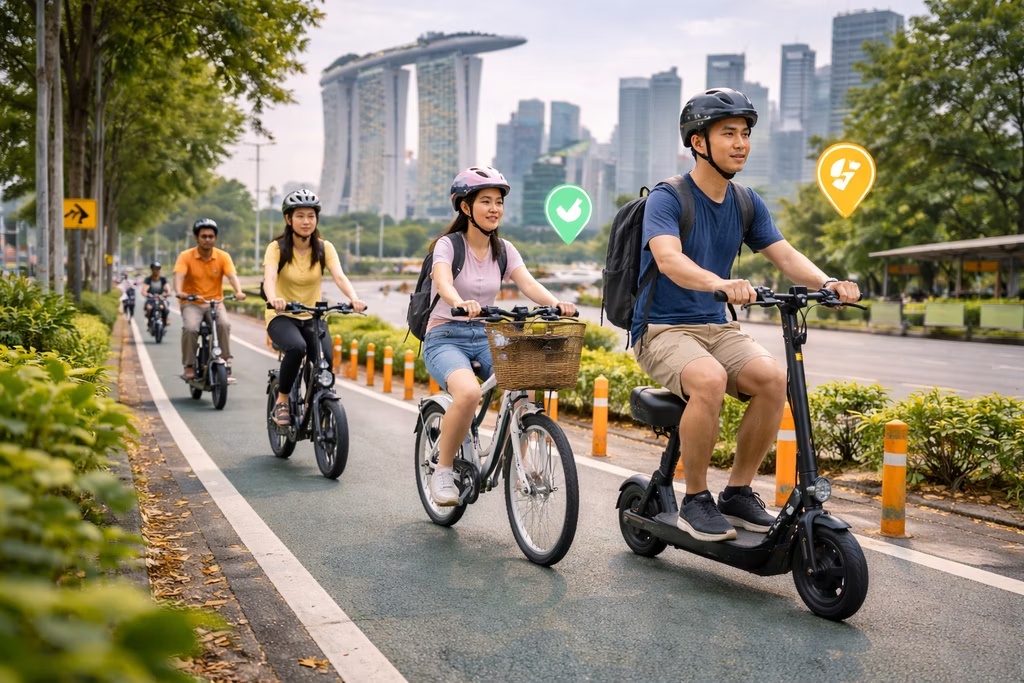
As Singapore approaches 2025, its vision for eco-town initiatives prominently features the integration of sustainable practices into urban living. The government has set forth a strategic framework that aims to create communities where eco-commuting is not just encouraged but facilitated through sophisticated urban planning. This includes the development of dedicated e-scooter lanes, strategically placed charging stations, and smart mobility hubs designed to streamline the commuting experience. These initiatives reflect a commitment to reducing carbon footprints while enhancing the daily commute for residents, ultimately striving for a model where convenience and environmental consciousness coexist harmoniously. The overarching goal of these eco-town initiatives is to transform Singapore into a greener, more sustainable city, thereby setting a benchmark for urban environments globally. By 2025, the integration of these features is expected to improve safety for e-scooter riders, minimize traffic congestion, and enhance public health through better air quality. Citizens will experience an upgraded e-scooter commuting system that not only simplifies their daily travel but also contributes positively to the environment. As Singapore champions this shift towards eco-commuting, it showcases how innovative approaches can lead to a more sustainable urban lifestyle for future generations.
Infrastructure Upgrades: Building the Future of E-Scooter Commuting
Singapore is embarking on a transformative journey to enhance eco-commuting by investing in robust infrastructure upgrades tailored specifically for e-scooter riders. With dedicated scooter lanes being laid out across the city, riders can expect a safer and more streamlined commuting experience. These lanes are designed not only to segregate e-scooter traffic from vehicles and pedestrians but also to promote a culture of e-scooter usage as a viable alternative to traditional modes of transportation. By clearly defining pathways, Singapore aims to reduce accidents and increase rider confidence, ultimately encouraging more residents to embrace this eco-friendly commuting option. In addition to dedicated lanes, the installation of strategically placed charging stations is set to cater to the growing number of e-scooter users. This infrastructure is vital in overcoming range anxiety, ensuring that riders have easy access to power whenever needed. Smart mobility hubs will further enhance this ecosystem by integrating various modes of transport, allowing seamless transitions between e-scooters, public transit, and other commuter options. These upgrades not only foster a more efficient commuting experience but also align with Singapore’s vision for sustainable urban living, paving the way for a greener and more connected city by 2025.
The Role of Safety in E-Scooter Policy Changes
As Singapore embarks on a transformative journey towards eco-commuting with the integration of e-scooters, safety emerges as a paramount consideration in policy changes. New regulations are being established to ensure safer interactions between e-scooter riders and pedestrians, minimizing the likelihood of accidents. This will include the implementation of designated e-scooter lanes and stricter enforcement of speed limits in crowded areas. Furthermore, local authorities are prioritizing the development of infrastructure that supports safe riding, such as properly maintained paths and strategically placed charging stations, thus promoting responsible usage. The intent is to create an environment where both riders and pedestrians feel secure, ultimately encouraging more individuals to embrace these eco-friendly transportation methods. In addition to regulatory measures, significant emphasis is being placed on safety training programs for e-scooter users. Educational initiatives will be rolled out to help riders understand traffic laws, riding etiquette, and the importance of wearing protective gear. To further enhance safety, technological innovations like smart sensors and collision detection systems are being integrated into e-scooters. These features will not only alert riders of potential hazards but also provide data that can inform future policy adjustments. Collectively, these safety measures are expected to foster increased confidence among commuters, supporting Singapore’s goal of a sustainable and safe urban commuting environment by 2025.
Smart Mobility Hubs: The New Commute Stations
As Singapore embraces eco-commuting through its ambitious plans for 2025, smart mobility hubs are set to redefine the way residents experience urban transit. These hubs will serve as integral points within the urban landscape, creating a seamless transition between various modes of transportation, including e-scooters, public transport, and traditional cycling. By strategically locating these hubs, the city will enhance connectivity and convenience for commuters. With features such as real-time information displays and integrated payment systems, riders can easily switch from one transport mode to another without cumbersome logistical challenges, fundamentally transforming the daily commute into a more fluid and enjoyable experience. Moreover, the introduction of smart mobility hubs aligns perfectly with Singapore’s broader eco-town initiative, underscoring the city’s commitment to sustainability. These hubs will not only provide essential facilities like charging stations and dedicated parking for e-scooters but also encourage a modal shift towards greener alternatives. By enhancing the infrastructure and supporting policies, Singapore aims to nurture a culture of eco-friendly commuting. As a result, daily riders can anticipate significant improvements in commuting efficiency and safety, ultimately contributing to a cleaner, more sustainable urban environment in 2025.
Environmental benefits: Riding Towards a Greener Future
The environmental benefits of promoting e-scooter usage are significant, particularly in urban settings like Singapore. As the city embraces eco-commuting, the widespread adoption of e-scooters is expected to lead to a substantial reduction in greenhouse gas emissions. By replacing traditional gas-powered vehicles with electric alternatives, Singapore aims not only to decrease carbon footprints but also enhance overall air quality. With an increase in e-scooter use, residents can anticipate less congestion on the roads and a subsequent reduction in noise pollution. The initiatives supporting this shift are vital; dedicated scooter lanes and strategically placed charging stations will facilitate a smoother transition for commuters, resulting in a cleaner, more sustainable urban environment. This approach aligns with Singapore’s goal of becoming a greener city by 2025, underlining the tangible impact that simple shifts in commuting practices can have on the ecosystem. Moreover, transforming community attitudes towards sustainable transport options is essential in ensuring long-term success in promoting e-scooters. As residents begin to prioritize eco-friendly transportation, collective consciousness shifts towards sustainability and responsibility. E-scooter initiatives will not only be about reducing emissions; they are about fostering a culture of environmental stewardship among the populace. By integrating innovative urban infrastructure, such as smart mobility hubs, Singapore is not just improving daily commutes but also cultivating an environment where eco-commuting becomes the norm rather than the exception. This cultural transformation is crucial for creating lasting habits that benefit not only the riders but also the planet as a whole.
Looking Ahead: The Impact of Singapore’s E-Scooter Revolution on Urban Living
As we explore the vibrant landscape of Singapore’s e-scooter revolution, it becomes clear that this shift towards eco-commuting is not just a trend, but a necessary transformation for urban mobility. With the government’s robust policies and infrastructure support, combined with innovative technology and public engagement, Singapore is setting a benchmark for sustainable transport. The fusion of convenience and ecological responsibility is bound to redefine how we perceive and use urban space, making our cities not only greener but also more livable for future generations. The future is electric, and Singapore is leading the charge with its commitment to e-scooters as a viable mode of transport by 2025. Looking ahead, it’s essential for both policymakers and citizens to embrace this change and participate actively in shaping the narrative of sustainable commuting. By fostering a culture of responsibility and awareness around e-scooters, we can mitigate potential challenges such as safety and infrastructure adaptation. Together, we can ensure that the e-scooter revolution in Singapore becomes a model that inspires other cities worldwide. It’s not merely about changing how we commute; it’s about reimagining our relationship with urban mobility itself, paving the way for a cleaner, smarter, and more connected future.

The e-scooter revolution in Singapore is such an exciting development for urban mobility! This initiative not only showcases the city-state’s commitment to environmental sustainability but also presents a practical solution to the urban congestion problem. With dedicated lanes and charging stations on the horizon, it’s fantastic to think about how these changes can enhance our daily commutes, making them more efficient and eco-friendly. Plus, promoting a culture of responsible commuting will inspire global cities to adopt similar initiatives. Go green, Singapore! Let’s embrace this innovative shift towards better urban living!
While I appreciate the enthusiasm for e-scooters, I have concerns about their long-term sustainability. What happens when the novelty wears off? Will people continue to use them regularly? Plus, are the existing pedestrian pathways equipped to handle this influx of e-scooter traffic, or will it lead to more accidents?
What about the environmental impact of manufacturing these e-scooters? There are many issues related to battery disposal and the carbon footprint of creating these machines. Are we just shifting the problem elsewhere?
That’s a fair point. It’s essential for manufacturers to adopt sustainable practices in production. However, the broader environmental benefits of e-scooter usage in reducing traffic and emissions may outweigh the manufacturing concerns. Addressing these issues will take combined efforts between manufacturers and government regulations.
That’s a valid concern, Ravi. However, the government’s focus on safety measures and infrastructure enhancement indicates a serious commitment to long-term usability. E-scooters can significantly reduce congestion and pollution if integrated thoughtfully with existing transport systems. With proper planning, I believe we can sustain this positive shift towards eco-commuting!
It’s important to consider potential pushback from pedestrians. E-scooter users might need clear guidelines and routes that prioritize safety for everyone. The focus should also be on building public trust in this new commuting option.
But even with planning, isn’t there a risk that too many e-scooters could lead to overcrowding? The last thing we want is to recreate the same traffic issues we’re trying to solve. How can we ensure they don’t become a nuisance on the roads?
Great point! However, if we adopt a mixed transport model that integrates walking, cycling, and e-scooters, we can optimize road usage. Continuous public engagement and education on responsible use will also play a crucial role. It’s about creating a balance, and with proper regulations, I believe we can find that.
I’m curious about the safety training mentioned. How effective can that be in truly changing riders’ behaviors, especially among new users? Will there be significant penalties for those who violate safety rules?
I really appreciate the focus on safety in this e-scooter plan. It’s great to see that the government is taking proactive steps to ensure riders and pedestrians are safe. Can’t wait for these changes to roll out!
How can the government ensure that the e-scooter infrastructure is properly maintained and that safety measures are constantly updated to reflect new challenges?
The government plans to establish regular inspections and assessments of the e-scooter infrastructure to maintain safety and efficiency. Additionally, they will update safety regulations based on data collected from riders and traffic interactions to address emerging challenges effectively.
It’s exciting to think how e-scooters can change our daily travel. With better lanes and charging points, I hope more people will choose this eco-friendly option. Go green, Singapore!