
With this surge in usage, the spotlight on rider safety has never been more intense. The demand for specialized escooter gear—especially helmets and protective equipment tailored specifically to the unique challenges of scooter riding—has risen dramatically. Unlike traditional bicycles or motorcycles, electric scooters have their own distinct dynamics, requiring escooter gear designed to accommodate their speed, handling, and typical urban riding environments. This blog explores the latest innovations in escooter helmets and protective escooter gear, delves into why scooter-specific safety equipment is crucial, and offers detailed guidance on how to choose the best gear to stay safe on the streets.
Why Specialized Escooter Gear Matters More Than Ever
At first glance, one might think that regular bike helmets and generic protective wear would suffice for escooter riders. However, the nature of electric scooters—compact, agile, and often capable of reaching speeds between 20 to 30 km/h—means that falls or collisions often happen differently than on traditional bicycles. For example, scooter riders tend to stand upright with a more upright posture, and their balance and maneuvering techniques differ significantly from cyclists.
Because of this, injuries in scooter accidents often involve different impact angles and forces, particularly head injuries, wrist fractures, and abrasions. Standard cycling helmets typically provide protection optimized for different fall scenarios, primarily forward-facing impacts from a higher seated position. In contrast, scooter riders frequently experience lateral or backward falls, necessitating helmets with extended rear and side coverage, plus added padding to absorb impacts from various directions.
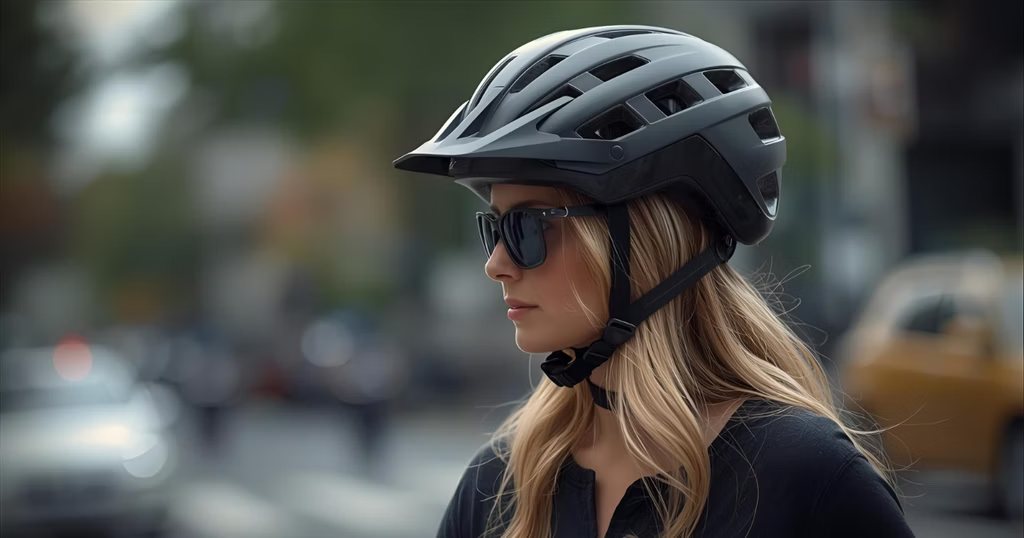
This fundamental difference has pushed manufacturers to develop escooter gear that caters specifically to these risks, offering enhanced protection where it’s most needed. For instance, some helmets now feature extended coverage over the back of the head, reinforced side panels, and more effective retention systems that keep the helmet firmly in place during sudden falls—factors often overlooked in traditional cycling helmets.
Advanced Helmet Technologies Tailored for Escooter Riders
MIPS and Rotational Impact Protection
One of the most significant leaps in helmet safety technology is the integration of MIPS (Multi-directional Impact Protection System). Unlike conventional helmets, which primarily absorb linear impact forces, MIPS helmets contain a low-friction layer inside that allows the helmet shell to slide slightly relative to the head during angled impacts. This reduces rotational forces transmitted to the brain, which are often responsible for concussions or more severe brain injuries.
Given the typical urban environment of escooter riding—where uneven pavements, potholes, or sudden obstacles can cause falls at varied angles—MIPS-equipped helmets provide superior protection. For example, the Bern Watts helmet incorporates MIPS and is praised for its lightweight design combined with enhanced safety features. Riders who frequently navigate tight city streets or rough terrain benefit significantly from this added layer of protection.
Lightweight Materials with Maximum Coverage
Escooter helmets today strike a careful balance between durability, coverage, and comfort. Early helmets were often heavy and bulky, deterring riders from wearing them consistently. Modern helmets use high-quality polycarbonate shells coupled with expanded polystyrene (EPS) foam liners that absorb impact energy efficiently while maintaining a feather-light feel.
The design evolution also includes extended coverage around the temples, back of the head, and sides—areas vulnerable in falls from scooters. Helmets like the Nutcase Vio and Thousand Heritage model provide this all-around protection without adding unnecessary weight, ensuring riders don’t feel burdened even during long commutes or leisure rides.
Ventilation and Climate Adaptation
Comfort is critical for compliance with safety gear. Riders who overheat or feel uncomfortable are less likely to wear their helmets consistently. Escooter gear manufacturers have invested heavily in creating helmets with sophisticated ventilation systems. Strategic vent placement allows air to flow through the helmet, cooling the rider’s head while maintaining structural integrity.
For example, the Giro Sutton MIPS helmet features multiple airflow vents and moisture-wicking padding that keeps riders cool and dry, even in humid climates like Singapore. This emphasis on comfort directly correlates with safety, as riders are more likely to wear helmets designed to be pleasant in various weather conditions.
Smart Helmets: Blending Safety with Technology
The rise of smart technology has permeated escooter gear, especially helmets equipped with Bluetooth, LED lights, and turn signals. These smart helmets help riders stay connected and visible, further reducing accident risk. Built-in speakers and microphones allow for hands-free calls and GPS navigation instructions, minimizing distractions.
The Lumos Ultra helmet combines integrated front and rear LED lights with turn signals controlled via a wireless handlebar remote, enhancing rider visibility at night or in poor weather. Such innovations are crucial for city riders sharing roads with cars and pedestrians, offering safety benefits beyond traditional passive protection.
Comprehensive Protective Gear: More Than Just Helmets
While helmets remain the primary defense against serious injury, the rise of escooter popularity has sparked innovation in other protective gear components, including gloves, pads, and high-visibility apparel designed specifically for scooter riders.
Knee and Elbow Pads: Protection for Impact Zones
Falls and slips frequently result in joint injuries, especially to knees and elbows, which are common points of contact during accidents. Escooter gear brands are now offering pads with high-density foam cores and hard outer shells designed to absorb shocks and abrasions without restricting rider movement.
For instance, the Triple Eight KP 22 pads offer excellent protection with lightweight, breathable materials and flexible straps for a secure fit. Unlike bulky traditional pads, these are streamlined to suit urban riders who want safety without compromising agility.
Gloves: Enhancing Grip and Guarding Against Injury
Scooter gloves are designed to protect palms and knuckles in the event of a fall, while also improving grip on handlebars, especially in wet conditions. Advanced models include reinforced padding, shock-absorbing gel inserts, and abrasion-resistant materials like synthetic leather.
The Mechanix Wear M-Pact gloves are a prime example, favored by delivery riders who spend long hours on their scooters. These gloves combine durability with dexterity, ensuring riders can brake and maneuver confidently without sacrificing hand protection.
Reflective and LED-Enhanced Apparel
Urban riding often takes place in low-light environments—early mornings, evenings, or rainy weather—making visibility critical. Escooter gear now incorporates reflective strips and LED elements into jackets, vests, and backpacks, greatly increasing rider visibility.
Products like the RideSafe LED vest use bright LED panels powered by rechargeable batteries, making riders clearly visible from hundreds of meters away. This kind of gear can literally be a lifesaver in busy traffic where drivers may struggle to spot smaller, lower-profile vehicles like scooters.
Certification and Standards: Why They Matter
When choosing escooter gear, riders should look for certifications such as CPSC (Consumer Product Safety Commission), ASTM (American Society for Testing and Materials), or EN1078 (European standard for helmets). These certifications guarantee that gear has passed rigorous testing for impact resistance, retention system strength, and overall safety.
A helmet certified to EN1078, for example, undergoes multiple drop tests and strap strength tests, ensuring it can withstand impacts typical for scooter accidents. Similarly, pads and gloves that meet ASTM standards offer tested protection levels that exceed generic alternatives.
These standards help riders avoid low-quality, untested gear that might look appealing but provide insufficient protection when it matters most.
Real-World Examples: How Escooter Gear Saves Lives
Case Study: Helmet with MIPS Technology Reduces Injury Severity
A delivery rider in New York was involved in a collision with a car when he lost control of his scooter on a wet road. Wearing a MIPS-equipped helmet, he escaped with minor head injuries, credited to the helmet’s ability to absorb rotational impact forces. His protective escooter gear prevented what could have been a life-threatening trauma.
Case Study: Visibility Gear Prevents Nighttime Accident
In Singapore, a late-night commuter credited his LED-equipped helmet and reflective vest for preventing a serious accident. Drivers reported seeing him from a significant distance despite heavy rain and poor street lighting. This example highlights how reflective and illuminated escooter gear increases safety by enhancing rider visibility.
How to Choose the Right Escooter Gear for You
Choosing effective escooter gear can be daunting with so many options on the market. Here are key tips to make smart choices:
- Fit and Comfort: Proper fit is essential. Helmets should feel snug without pressure points, and pads must allow full range of motion.
- Safety Certifications: Always verify that gear meets relevant safety standards for peace of mind.
- Climate Considerations: If you ride in hot or humid weather, prioritize gear with excellent ventilation and moisture management.
- Visibility Features: Reflective or LED-enhanced gear dramatically improves safety, especially for night or poor weather riding.
- Durability vs. Weight: Balance protection level with gear weight. Lightweight gear encourages consistent use.
- Style Preferences: Don’t neglect aesthetics—gear you like wearing is gear you’ll consistently use.
Future Trends in Escooter Safety Gear
The future of escooter gear is promising, with ongoing innovations aimed at enhancing rider safety and comfort:
- Next-Gen Materials: Emerging materials like graphene composites offer incredible strength-to-weight ratios, potentially making helmets and pads lighter yet stronger.
- Augmented Reality Helmets: AR integration may soon provide real-time hazard alerts, navigation cues, and speed monitoring directly within helmets.
- Biometric Monitoring: Helmets with sensors could track heart rate, detect crashes, and automatically alert emergency contacts.
- Eco-Conscious Manufacturing: As sustainability grows in importance, expect more eco-friendly materials and manufacturing processes in escooter gear production.
- Modular Protective Systems: Future gear might allow riders to customize protection levels based on ride type and conditions with interchangeable components.
Conclusion: Gear Up and Ride Safely
As electric scooters become a staple in urban mobility, investing in specialized, high-quality escooter gear is not optional—it’s essential. The right helmet, combined with comprehensive protective pads and visibility-enhancing apparel, can be the difference between minor scrapes and serious injuries. Whether you are a daily commuter or a casual weekend rider, choosing gear tailored for escooter dynamics protects you and boosts your confidence on the road.
Remember: no matter how stylish or high-tech your scooter is, safety should always come first. Equip yourself with the best escooter gear available, stay alert, and enjoy your rides knowing you’re protected from head to toe.

Super informative! I love how you explained the importance of MIPS and smart helmets. Now I know what to look for when buying a helmet for my escooter rides.
Do you really think spending extra on specialized gear is worth it for escooter riders? I mean, can’t a regular helmet do the job just as well?
Yes, investing in specialized gear specifically designed for escooter riding is crucial. Regular helmets may not provide adequate protection due to the unique impact scenarios scooter riders face, meaning specialized gear can help prevent severe injuries.
I totally agree with the need for specialized gear for escooter riders. It’s not the same as riding a bike! Having the right helmet can really make a difference in safety.
Is it really necessary to get specialized gear for escooters? Can’t we just use regular bicycle helmets?
Yes, specialized gear for escooters is important because they have different dynamics compared to bicycles. Regular bike helmets may not provide the optimal protection needed for the specific impact scenarios scooter riders face, like lateral or backward falls.
I’ve always thought a bike helmet would be enough, but this really opened my eyes. It’s crazy how different the risks are for escooter riders. I’ll definitely look into specialized gear now.
Great insights! I didn’t know that MIPS technology was so important. It’s definitely worth investing in safer helmets. Thanks for sharing this info!