
As Singapore continues to embrace sustainable transportation options, the rise of e-scooters as a popular mode of commuting has raised important discussions around safety and regulation. With the upcoming 2024 e-scooter registration, it is essential for riders to understand the new compliance requirements and how to navigate the registration process. This comprehensive guide aims to empower commuters with the knowledge needed to safely enjoy their e-scooter experience while adhering to Singapore’s regulations, helping to foster a safer and more organized transit environment for everyone involved. In this blog post, we will delve into the key components of the e-scooter registration process, the importance of compliance for both rider safety and public regulations, and practical tips to keep in mind while using e-scooters in Singapore. Whether you are a seasoned rider or new to the e-scooter scene, staying informed about the rules and expectations can significantly enhance your commuting experience. Join us as we explore what is necessary for you to stay compliant, safe, and confident on your rides in the vibrant city of Singapore.
A Brief Overview of Singapore’s E-Scooter Regulations
Singapore’s e-scooter regulations have undergone significant changes as of 2024, marking a decisive shift in the approach to commuter safety and traffic management. These updated rules aim to create a safer environment for all road users, especially in high-traffic areas where e-scooter usage has spiked. By implementing registration requirements, the government hopes to enhance accountability among riders, ensuring that e-scooter commuters adhere to safety protocols while providing an official record that can aid in tracking ownership and managing violations. The move is part of a broader initiative to integrate e-scooters into the existing transport ecosystem more seamlessly and to promote responsible usage among users, ultimately fostering a culture of safety on the roads and pathways of Singapore. The 2024 regulations also reflect the growing concerns related to accidents and the misuse of personal mobility devices. By introducing mandatory registrations, they set the groundwork for more organized e-scooter operations, helping to mitigate risks associated with reckless riding. Commuters will also benefit from clearer guidelines on safe riding practices, encouraging a collective commitment to sharing public spaces with pedestrians and other vehicles. This regulatory framework not only supports the safety of e-scooter users but also enhances the overall commuting experience, reinforcing Singapore’s reputation as a city committed to innovative and safe urban transport solutions.
Step-by-Step Guide to E-Scooter Registration
Registering your e-scooter in Singapore for 2024 is a straightforward process that every commuter needs to follow to ensure compliance with new regulations. To start, gather necessary documents such as proof of ownership, your identification (like NRIC or a valid pass), and any previous vehicle registration details, if applicable. Once you have these, visit the official Land Transport Authority (LTA) website or their designated registration centers. There, you’ll need to fill out the e-scooter registration form, which is available both online and in print. Don’t forget to check the required fees associated with registration, which can vary based on the model and specifications of your e-scooter. Key deadlines for registration will also be posted on the LTA’s website, so staying updated is crucial to avoid fines for late registration. Taking the time to register your e-scooter not only adheres to legal requirements but also enhances safety standards across the city. Once registered, you will receive a unique identification number that should be displayed prominently on your e-scooter. Be sure to familiarize yourself with the rules surrounding e-scooter usage, as non-compliance can lead to penalties. This comprehensive registration process may seem daunting at first, but is designed to create a safer commuting environment for everyone in Singapore. Following these steps will ensure that you’re fully compliant, allowing you to ride your e-scooter with confidence and peace of mind.
Safety Standards: What Every E-Scooter Rider Must Know
As Singapore rolls out its new e-scooter registration in 2024, compliance with safety standards has never been more critical for riders. Essential features mandated by the regulations include the presence of operational lights, effective braking systems, and reflectors to enhance visibility during both day and night rides. Riders must ensure that their e-scooters are equipped with these safety features to not only fulfill legal requirements but also to prioritize their own safety and the safety of others on the road. Keeping your e-scooter well-maintained and regularly checking the functionality of these components can significantly reduce the risk of accidents, making every ride safer and more enjoyable. Additionally, understanding the implications of non-compliance with these safety standards is vital for e-scooter users. Not adhering to the regulations could result in hefty fines, increased insurance premiums, or even loss of riding privileges, which can severely impact daily commuters who depend on e-scooters for transportation. Moreover, promoting safety habits, such as wearing helmets, following the speed limits, and being aware of surroundings, further enhances the safety landscape for all road users. By aligning with the new safety standards, riders help foster a culture of safety that not only serves them but also contributes positively to the larger community.
Consequences of Non-Compliance: What Riders Need to Avoid
Riders of e-scooters in Singapore must navigate the new registration rules established in 2024, as failing to comply can lead to significant penalties. Those who neglect to register their e-scooter may face fines ranging from a few hundred to several thousand Singapore dollars. Additionally, disregarding safety standards, which include adhering to weight limits, speed restrictions, and ensuring that the device is equipped with necessary safety features like lights and bells, can lead to similar repercussions. Therefore, understanding these potential consequences not only serves to discourage non-compliance but also promotes a safer riding environment for everyone on the roads and pathways of Singapore. Moreover, the legal consequences of non-compliance extend beyond mere fines. Riders may also encounter legal actions, including the potential seizure of their unregistered or unsafe e-scooters. This not only poses a financial burden but can also disrupt daily commuting routines for riders who depend on their e-scooters for transport. By familiarizing themselves with the registration requirements and safety standards, riders can avoid these pitfalls, ensure their compliance, and contribute to a safer and regulated e-scooter ecosystem in Singapore.
Tips for Daily Commuters: Enhancing Your Riding Experience
As daily commuters embrace the convenience of e-scooters in Singapore, improving the riding experience becomes crucial for both safety and community harmony. Regular maintenance of your e-scooter is essential; ensure that your tires are inflated properly, brakes are functioning well, and lights are operational. Regular checks can prevent breakdowns and enhance your safety on the road. Additionally, adhering to local traffic rules is imperative. This includes riding only on designated paths, observing speed limits, and yielding to pedestrians. By following these guidelines, you not only keep yourself safe but also contribute to a positive perception of e-scooter users in the broader community. Moreover, cultivating a courteous attitude while riding can significantly improve your experience and that of others around you. Always signal your intentions when turning, and maintain a safe distance from other road users. If you encounter pedestrians or cyclists, slowing down and giving them space can prevent accidents and foster goodwill. Engaging respectfully with fellow commuters encourages a friendly atmosphere and reinforces the importance of shared responsibility on the roads. By implementing these practical tips, you can enhance not only your own riding experience but also promote a safe and welcoming environment for all e-scooter users in Singapore.
Community Resources: Where to Find Help and Information
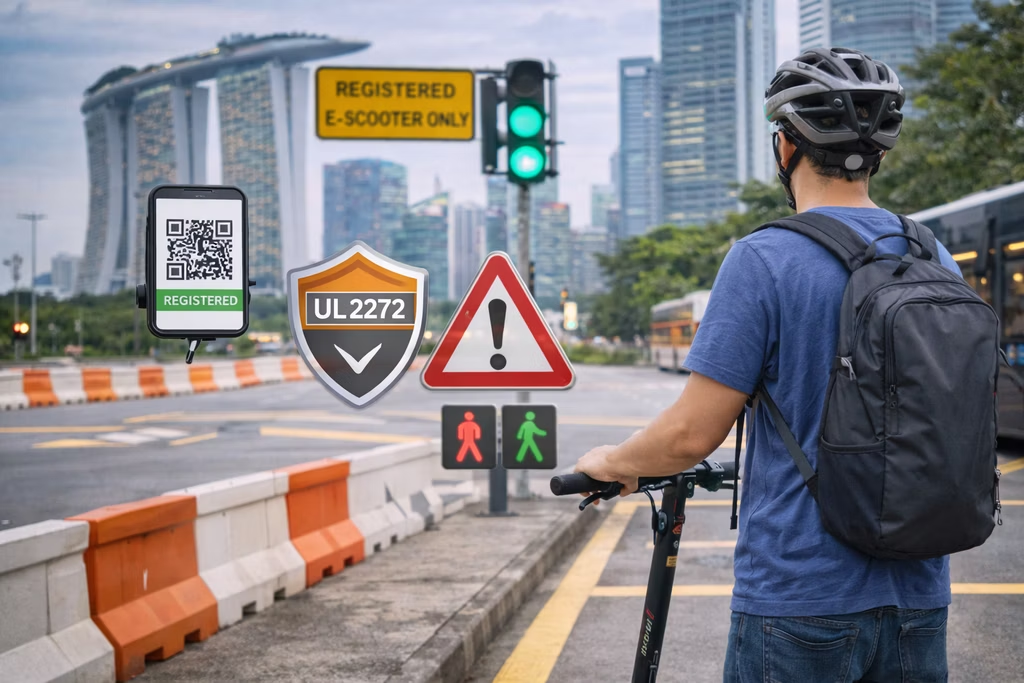
As you navigate the new e-scooter registration rules in Singapore, it’s essential to know where to turn for help and information. Numerous online platforms, such as official government websites and community forums, provide up-to-date details on the registration process, safety regulations, and compliance guidelines. Websites like the Land Transport Authority (LTA) not only outline the legal frameworks but also offer FAQs to clarify concerns about your e-scooter’s specifications and eligibility. Additionally, social media groups and local community forums can serve as valuable spaces to share experiences and gain insights from fellow e-scooter users, fostering a collaborative environment for problem-solving and information sharing. Given the rapid changes in regulations, having access to diverse resources will empower riders to stay informed and navigate their daily commutes safely and legally. Moreover, engaging with local community groups can enhance your awareness and compliance with e-scooter regulations. These groups often host discussions, workshops, and events that address current e-scooter issues, enabling members to learn from one another and share useful tips on safe riding practices. Many times, legislation changes happen quickly, and being part of a supportive community not only helps you stay compliant but also bolsters a culture of safety among riders. By actively participating in these resources, you ensure that you are not only well-informed but also an advocate for responsible e-scooter use in your area.
Embracing Change: The Future of E-Scooter Riding in Singapore
In conclusion, navigating the 2024 e-scooter registration process in Singapore is a vital step for any commuter seeking to embrace this modern mode of transportation. By staying informed about the regulations, ensuring compliance, and prioritizing safety, riders can enjoy the many benefits that e-scooters offer, from reducing travel time to contributing to a greener urban environment. The outlined steps and tips throughout this guide are essential to facilitate a smooth registration journey, so don’t hesitate to refer back as needed. Embracing e-scooters can transform your commuting experience, but it comes with responsibility. As you gear up for the 2024 changes, remember to share this information with fellow riders to promote a culture of safety and compliance. Together, we can make Singapore’s roads safer for everyone while enjoying the convenience that e-scooters bring. By staying informed, prepared, and engaged, you will not only enhance your own ride but also contribute positively to the community at large.

This guide is super helpful! I love that it outlines everything we need to register our e-scooters. Safety comes first, and knowing the rules is key to enjoying the ride!
I’m really excited about the new e-scooter registration process in Singapore! It’s a huge step forward in making our roads safer for everyone. The detailed guide provided is fantastic; it empowers us to take responsibility for our own safety and the safety of others. Being informed about compliance not only improves our riding experience but also fosters a culture of accountability among riders. The emphasis on safety standards and maintenance is crucial; by adhering to these, we can avoid accidents and enhance our overall commuting experience. I believe that as more riders get on board with these regulations, we will see a positive transformation in how e-scooters are perceived in our urban environment.
While it’s great to see enthusiasm for compliance, how do we ensure that everyone adheres to these new rules? There are always riders who flout regulations despite knowing them. Could this just be a superficial fix rather than addressing the core issues of rider behavior?
True, but encouraging a community of responsible riders through initiatives like workshops could help address behavior issues in a more supportive manner rather than just punitive. Do you think that could help?
Absolutely, Maya! Workshops and community events could foster an environment where riders feel supported to follow regulations. Engaging people in discussions about safety and compliance creates a collective responsibility that helps in encouraging good riding habits.
But how can we guarantee that these workshops reach all demographics? Some might not even know about them. Shouldn’t the government also play a more significant role in outreach?
You make a fair point, Ravi. Government initiatives for outreach are critical. Leveraging social media and local influencers can amplify awareness about workshops and safety practices, making sure more riders are reached. The responsibility also lies in the hands of the community to participate actively.
That’s a valid concern, Ravi. However, by implementing registration, we are fostering a sense of accountability. Over time, consistent enforcement and education can change attitudes. Moreover, as compliant riders, we can influence others positively in our community.
Yet, if the fines are not substantial enough, won’t some riders just see this as a cost of doing business? Without significant penalties, isn’t it naive to think that registration alone will encourage compliance?
You raise an important point about penalties, Ravi. A well-structured enforcement mechanism is essential. However, I believe that education, community engagement, and showcasing the benefits of compliance can also create a cultural shift that encourages responsible riding rather than just relying on fines.
While accountability is key, how do we balance it with convenience? Some might feel the registration process is too bureaucratic and could deter potential riders. Is there a simpler way to implement this?
That’s a great observation, Siti! The registration should be user-friendly, ideally online and straightforward. By streamlining the process, we can encourage more riders to comply without feeling overwhelmed. Community feedback on the registration experience could also spark improvements.
It’s also crucial for the government to ensure all riders are aware of these e-scooter regulations, particularly first-time users or tourists. How can we make sure everyone is informed?
That’s an essential aspect, Sofia! Increasing visibility of the information through signage in multiple languages at popular locations could help. Also, tourism offices could provide educational materials for visitors on this new process.
Good point! Interactive apps that guide users through the registration process could be beneficial too. How do you feel about incorporating technology in this way?
Incorporating technology is an excellent idea! An app could offer reminders for registration deadlines and provide instant access to safety guidelines. It’s an efficient way to keep all users informed, enhancing compliance.
Absolutely! Maybe using social media campaigns can create buzz and promote awareness too. So many people are active online these days.
100%! Social media has vast reach. Engaging local influencers to spread the word can be very effective, especially among younger riders. This could complement the traditional methods of information dissemination quite well.
What are the key documents needed for the e-scooter registration, and how do we make sure we have everything in order?
To register your e-scooter, you must gather proof of ownership, identification like your NRIC, and any previous vehicle registration details if applicable. It’s helpful to create a checklist to ensure you have all necessary documents before heading to the official registration centers or the LTA website.
Thanks for sharing these tips on e-scooter registration and safety! It’s so important to keep our roads safe for everyone. I’ll definitely follow these guidelines to ensure I’m compliant.