
In 2024, Singapore is set to refine its micro mobility landscape, making it even more conducive for escooter riders. With the growing popularity of e-scooters as a convenient mode of transport, understanding the guidelines governing their use has become increasingly important. Navigating the city’s designated micro mobility corridors not only ensures your safety but also helps in maintaining the harmony between all road users. Whether you’re a seasoned rider or a newcomer to the escooter scene, familiarizing yourself with the latest regulations and best practices will amplify your riding experience and minimize risks. This blog post serves as a comprehensive guide, outlining essential tips and regulations that every escooter rider should know before hitting the streets of Singapore. From the specific pathways designated for e-scooter use to safety equipment recommendations and compliance with local laws, we will provide you with the knowledge needed to ride confidently and responsibly. Join us as we explore the key factors that will enable you to traverse Singapore’s micro mobility corridors with ease and enjoyment in 2024.
Understanding Micro Mobility Corridors: The New Infrastructure
Singapore’s micro mobility corridors represent a significant leap in urban infrastructure, designed explicitly to accommodate the rising trend of escooter usage while enhancing pedestrian safety. These dedicated lanes aim to streamline mobility, separating slower-moving escooters and pedestrians from the heavier traffic on the roads. The corridors feature well-defined layouts including clear signage, designated entry and exit points, and adequate lighting, providing a safe and efficient pathway for escooter riders. Additionally, they play an integral role in Singapore’s broader public transportation strategy, seamlessly connecting with bus stops, MRT stations, and other transit points, thereby promoting a more cohesive travel experience within the city. For escooter riders, understanding these micro mobility corridors is vital for effective navigation. Knowing where these corridors are located and grasping their interaction with the existing transportation infrastructure will enhance the riding experience. Riders must familiarize themselves with the specific regulations governing the use of these paths, ensuring compliance and safety at all times. By adhering to the designated corridors, escooter users can minimize risks, avoid penalties, and contribute to a more organized and user-friendly environment. Embracing this infrastructure not only empowers escooter riders to enjoy their journeys across Singapore but also plays a part in fostering a sustainable urban transport landscape.
Legal Framework: Regulations Every Escooter Rider Must Know
As of 2024, escooter riders in Singapore must familiarize themselves with the legal framework governing their usage to ensure both personal safety and compliance with local laws. The key regulations include a mandatory licensing system for riders above a certain age, strict adherence to speed limits that typically do not exceed 25 km/h on public paths, and the obligation to wear helmets while riding. Additionally, riders are prohibited from using escooters on footpaths and are further restricted from accessing certain busy roads, emphasizing the need for awareness of designated micro mobility corridors. Understanding these legal requirements is crucial for any rider wishing to navigate Singapore’s bustling streets seamlessly and without incurring penalties. Beyond licensing and speed regulations, it’s essential for riders to stay updated on specific zones where escooter riding is either encouraged or prohibited. Urban areas and crowded public spaces often have stringent restrictions, so identifying these spaces is vital before setting out. With the rise of micro mobility corridors designed specifically for lightweight vehicles, riders can safely traverse the city while adhering to these regulations. This not only enhances the experience of using escooters in Singapore but also ensures that riders contribute responsibly to the shared urban environment.
Safety First: Essential Tips for Escooter Riders
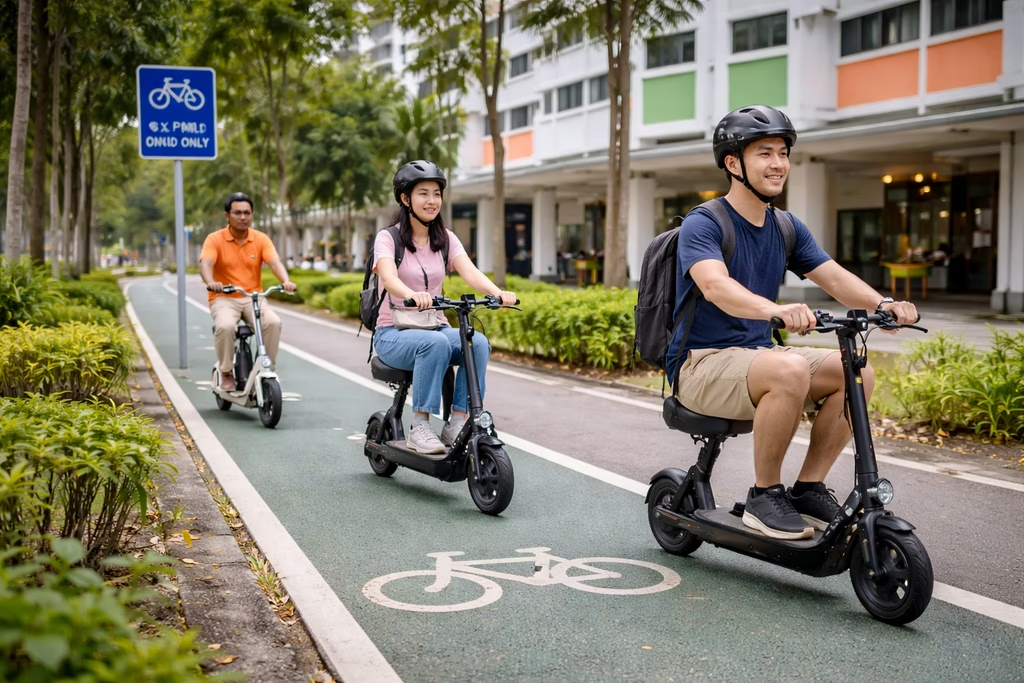
Safety should always be the top priority for escooter riders navigating Singapore’s micro mobility corridors. One of the critical components of safety is proper helmet usage. Always wear a helmet that fits snugly and meets safety standards to protect your head in case of a fall. Additionally, consider investing in visibility gear such as reflective vests or lights, particularly if you plan to ride during early morning or evening hours. These items enhance your visibility to other road users, thereby reducing the risk of accidents. Remember, being seen is just as important as being cautious on the road. Furthermore, understanding the proper riding techniques is essential for a safer experience. Always maintain a steady speed and be prepared to react to obstacles or sudden changes in the environment. Observe the rules of the road, including giving way to pedestrians and adhering to traffic signals. Avoid riding on sidewalks unless explicitly allowed, as this can endanger both you and pedestrians. By prioritizing these safety tips, you not only protect yourself but also ensure the well-being of others sharing the road, making everyone’s journey more enjoyable in Singapore’s vibrant urban landscape.
Best Practices for a Smooth Ride: Navigating the Corridors
Navigating Singapore’s micro mobility corridors requires adhering to best practices that enhance the experience for everyone involved. First and foremost, it is critical to maintain a proper speed when riding an escooter. The recommended speed limit may vary across different corridors, so be sure to familiarize yourself with these specifications and respect them at all times. Additionally, understanding pedestrian rights is essential. Always yield to pedestrians, particularly in crowded areas, to prevent accidents and ensure everyone can coexist safely within the shared space. Familiarizing yourself with the rules that dictate when and how to ride—such as prohibitions against riding on sidewalks—will help maintain harmony between escooter riders and pedestrians alike. Moreover, using designated lanes or paths is crucial for a smooth ride. Singapore has invested significantly in creating infrastructure specifically for micro mobility, so take advantage of these lanes to avoid conflicts with other road users. Staying alert and practicing defensive riding will further reduce the risk of accidents. Proper signaling when making turns and staying aware of your surroundings will contribute to your safety and that of others around you. By following these best practices, you enable a respectful and enjoyable environment for all users of the corridors in Singapore.
Community Engagement: How Riders Can Make a Difference
Community engagement plays a fundamental role in enhancing the overall experience for escooter riders in Singapore. By actively participating in local forums or neighborhood discussions, riders can share their experiences and highlight the challenges they face on the micro mobility corridors. This open dialogue fosters a sense of community and encourages the sharing of important information, such as reporting hazards or unsafe riding conditions. Riders can also advocate for escooter-friendly policies by collaborating with local authorities to ensure that the infrastructure remains safe and accessible for everyone. When riders unite voices, they become powerful advocates for improvements that benefit the entire community, making the environment more conducive for responsible escooter use. Moreover, engaging with community initiatives can bolster the image of escooter riders as responsible and committed participants in urban transport. By taking part in clean-up drives, safety awareness campaigns, or educational workshops, riders can demonstrate their commitment to maintaining the quality of shared spaces. Such proactive involvement not only contributes to the community’s overall well-being but also helps dispel any negative perceptions about escooter use. Ultimately, community engagement empowers riders, enabling them to contribute positively to the micro mobility landscape and ensure that escooters remain a sustainable and viable option for urban transportation in Singapore.
The Future of Micro Mobility in Singapore: Trends to Watch
The future of micro mobility in Singapore is poised for remarkable transformation, driven by innovative technologies and the expansion of infrastructure. In 2024, we can expect significant advancements in escooter models, including options with enhanced battery life, smarter navigation systems, and improved safety features. These developments not only promote environmentally friendly transportation but also provide riders with an experience that prioritizes convenience and connectivity. As Singapore’s reputation as a global leader in urban mobility continues to grow, e-scooters will increasingly integrate with other forms of public transit, creating a seamless travel ecosystem for residents and visitors alike. In addition to technological innovations, evolving regulations will play a crucial role in shaping the future landscape of micro mobility in the city. The Urban Redevelopment Authority (URA) is likely to expand the network of dedicated micro mobility corridors, catering specifically to escooter users. Riders must stay informed about these regulatory changes to ensure compliance and safety. As the micro mobility landscape evolves, it will be essential for escooter riders to adapt by adopting best practices and remaining proactive about safety and community engagement, ultimately fostering a positive environment for all users of Singapore’s bustling streets.
Embracing Change: Riding into a Safer and More Connected Future
In summary, navigating Singapore’s micro mobility corridors requires a keen understanding of both the local regulations and the unique challenges that come with riding an escooter. By familiarizing yourself with the designated routes, being aware of the safety guidelines, and understanding the importance of responsible riding, you can enjoy a seamless journey through the bustling streets of this vibrant city. As 2024 unfolds, adhering to these essential guidelines not only ensures your safety but also contributes to a positive riding culture in Singapore’s expanding micro mobility landscape. As we look ahead, the micro mobility scene in Singapore is poised for growth, enhancing connectivity and sustainability within urban transportation. Remember, the responsibility of making our streets safer lies with every rider. By empowering ourselves with knowledge and promoting mindful practices, we can all contribute to a conducive environment for everyone. So, gear up, ride responsibly, and take part in shaping the future of micro mobility in Singapore as we embark on this exciting journey together.

I’m excited about the new micro mobility corridors! It’s great to see Singapore taking steps for safer escooter riding. Let’s keep our roads safe for everyone by following these guidelines.
I absolutely love how Singapore is evolving its micro mobility landscape! The introduction of dedicated e-scooter corridors is a game-changer for both riders and pedestrians. It not only enhances safety but also promotes a harmonious coexistence on the roads. With clear signage and well-defined pathways, riders can navigate more easily while enjoying the ride. Additionally, the emphasis on safety gear, like helmets and reflective vests, shows a strong commitment to protecting riders. It feels like the future of urban transport is right here, and I’m thrilled to see how these changes will contribute positively to our bustling city life in 2024!
While these new corridors seem beneficial, I’m curious about the long-term impact. What if the increased popularity leads to congestion? Could it create more risks rather than enhance safety?
That’s a valid point, Nathan. However, I believe that with proper regulations and community engagement, any congestion can be managed effectively. The key lies in educating riders about best practices, like yielding to pedestrians and adhering to speed limits. If everyone follows the guidelines, we can avoid a significant increase in risks.
But what about instances when riders don’t follow these rules? Are there robust plans in place to enforce regulations and keep congestion in check?
Absolutely, Nathan! Enforcement is crucial. The authorities are already looking at implementing fines and penalties for violators. These measures will encourage responsible behavior and maximize the corridors’ benefits while ensuring safety for everyone. Let’s stay optimistic!
I still believe it’s a bit optimistic. We’ve seen in other cities that limited regulations can lead to chaos; how can we be sure Singapore won’t follow the same path?
That’s understood, but Singapore has always been proactive with urban planning. Learning from global experiences, they seem committed to effective management strategies, which should minimize risks while leveraging the benefits of e-scooters.
I see what you mean, but I think the positives outweigh the negatives. With education campaigns, riders will likely become more considerate, making it a safer experience overall.
That sounds good, but education can only go so far. The need for strict enforcement remains crucial to maintaining rider discipline. How can we ensure riders don’t take the guidelines lightly?
It’s true that enforcement is essential. Singapore’s model relies on both education and penalties to instill responsibility. With the combination of both aspects, I’m hopeful riders will thrive in this environment.
I really appreciate your enthusiasm, Samantha! The guidelines presented definitely seem promising for encouraging safe riding practices in the vibrant local transport scene. I wonder, though, how can we ensure that those who are new to riding are adequately informed about these regulations?
Great question, Aishah! Community engagement is key. Local forums and workshops could be instrumental in educating new riders about regulations and safety practices. Sharing experiences and tips could really help bridge that knowledge gap.
That’s a fantastic idea! Collaborating with local authorities for awareness campaigns can raise more attention. The community needs to take an active role in promoting proper usage.
Exactly! The collective efforts of escooter riders can help create an informed community, ensuring that safety and regulations are prioritized. It’s all about working together for a better riding experience!
Sounds promising! If we can establish ongoing education, perhaps it can also help foster a sense of accountability among riders? It might make everyone feel part of the solution.
Absolutely! When riders feel informed and accountable, they become advocates for safety, ensuring a smoother experience for all. That’s the community spirit we need in Singapore!
It’s awesome to learn about the micro mobility corridors! But what happens if I accidentally ride in a prohibited area? Are there consequences?
Riding in a prohibited area can lead to penalties including fines. It’s crucial to stay updated on the designated routes to avoid any violations and ensure safety for yourself and others.
Thanks for this informative guide! I didn’t know about the penalties for not following regulations. I’ll definitely make sure to ride safely and respectfully.